
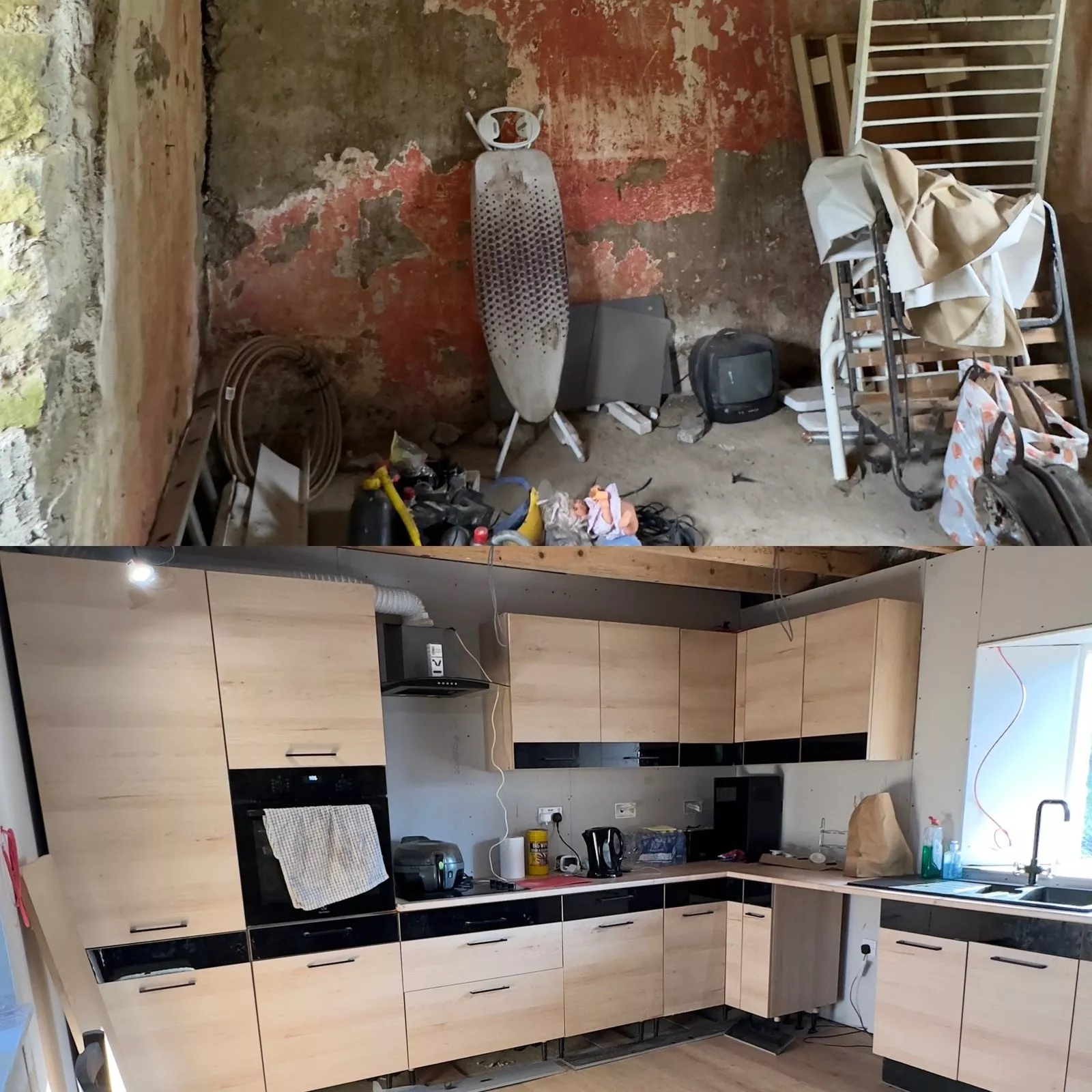
The vacant homes tax is a self assessed charge of seven times the basic Local Property Tax on a habitable house that was lived in for fewer than 30 days in the year from 1 November to 31 October. It does not apply in the year a house changes hands, and a house under structural works or a substantial refurbishment for six months or more of the year can be exempt, which is why most people who buy an empty Dublin house to renovate never pay it.
This guide explains how the Vacant Homes Tax works in the chargeable period that began on 1 November 2026, what it costs on a Dublin valuation, the exemption written for a real renovation, and the new Derelict Property Tax that Revenue will collect from June 2028. Every figure was read on 28 November 2026 on revenue.ie, gov.ie and citizensinformation.ie; it is a reader's guide, not tax advice.
What the vacant homes tax is and who owes it
The property must be a residential property for Local Property Tax, which on 1 November means it is either occupied as a dwelling, even in bad condition, or not occupied but suitable for use as a dwelling. It must have been in use as a dwelling for fewer than 30 days in the chargeable period, 1 November to 31 October. And in use means used for normal activities and occupied overnight; storing things in a house is not enough. A house the family uses one weekend a month passes the test; a house nobody has slept in since the owner went into care does not, unless an exemption applies.
The tax is self assessed: the owner decides whether it applies, files a return by 7 November after the period ends through myAccount, ROS or the LPT online service, and pays by 1 January. We are now in the fifth period, to 31 October 2027. Revenue may ask any owner to confirm a property's status and to show evidence that it was occupied, sold or let.
What it costs on a Dublin house
The rate was three times the basic Local Property Tax in the first period, five times in the second, and seven times from the period that began on 1 November 2024. It is worked on the basic rate for the valuation band, before the Local Adjustment Factor, so the 2027 discounts in Dún Laoghaire Rathdown (15% off), South Dublin (7.5% off) and Fingal (5% off) reduce the LPT but not the vacant homes tax, and the tax is charged on top of the LPT itself.
| Valuation band (1 November 2025 value) | Basic LPT for 2026 to 2030 | Vacant homes tax at seven times |
|---|---|---|
| €240,001 to €315,000 | €235 | €1,645 |
| €315,001 to €420,000 | €333 | €2,331 |
| €420,001 to €525,000 | €428 | €2,996 |
| €525,001 to €630,000 | €523 | €3,661 |
| €630,001 to €735,000 | €618 | €4,326 |
Revenue's own example is a house valued at €325,000, in band three at €333, which gives €2,331 for the period; a Dublin house in band five pays €3,661 a year for every year it stays empty. Miss the return and the surcharge is 5% of the tax if a correct return follows within two months, 10% after that, with interest at 0.0219% a day, 8% a year, on late payment.
Buying an empty house: the year of the sale
Revenue lists three situations in which the tax does not apply to a period at all: the property was sold during it, including by gift, inheritance or compulsory purchase, so that the owners changed; it was let for at least 30 days to an unconnected tenant under a tenancy registered with the Residential Tenancies Board; or it was exempt from Local Property Tax for the year the period ends in. So the period in which you complete the purchase carries no vacant homes tax for either side; the period after it, with the house yours and the builders in, is the one to plan for.
The renovation exemption, and why a grant project fits it
Revenue's exemption for properties that underwent structural works, substantial repairs or substantial refurbishment is the one written for you. The works must have run for six months or more in the period without undue delay, and either a registered architect, quantity surveyor or building surveyor, or a chartered engineer, certifies that living in the house would have posed a threat to the health and safety of the occupants, with planning permission in place first where it was needed; or the works cost more than 20% of the house's market value before they started. Revenue's counter example is a holiday home where the owner serviced the boiler, replaced a window and painted the ground floor: not structural, not exempt.
A Vacant Property Refurbishment Grant project usually meets both conditions. The grant is up to €50,000 inclusive of VAT, the derelict top up brings it to €70,000 where an independent report confirms the house is structurally unsound and dangerous or it is on the Derelict Sites Register, and the Department allows 18 months from approval to finish. The report for the top up and the certificate for Revenue describe the same house, so ask the engineer to write both. And €50,000 of works on a house bought at a price that qualifies for the grant is nearly always more than 20% of its value. Claim the exemption in the return for every period it applies to, and make sure six months of real work falls inside the 1 November to 31 October year. The free Ivy Cottage renovation tracker dates every stage and every receipt, which is the record Revenue asks for when it questions an exemption.
There is a third route that is not an exemption at all. A house that is not suitable for use as a dwelling is not a residential property for Local Property Tax, and the vacant homes tax only reaches residential property. A shell with the roof open and the floor gone is in that category by Revenue's own definition, though Revenue may still ask the owner to confirm the status, and the house is liable for LPT again once it is fit to live in.
The Derelict Property Tax: Revenue takes over from the council in 2028
The Derelict Sites Levy is a council charge of 7% of market value under the Derelict Sites Act 1990 on the properties on a council's Derelict Sites Register, and it has never reached most derelict buildings: RTÉ reported in April 2026 that about 2,100 properties were on the registers against research putting the number of derelict properties as high as 19,000. Budget 2027, on 6 October 2026, confirmed a new Derelict Property Tax in its place, and the Finance (No. 2) Bill 2026, published on 19 October 2026, legislates for it. The Department of Finance's words: the tax will be administered by the Revenue Commissioners and based on registers compiled by local authorities; from January 2027 the councils identify derelict properties in towns with a population of 4,000 and above and send the details to Revenue; and owners pay 7% of the value of the property by June 2028 unless they take action to remediate it. Citizens Information gives 1 September 2027 for the preliminary national register.
Dublin city and the county's larger towns are all well inside the 4,000 line, so Dublin is in the first round. The tax advisers' summaries of the Bill add the working dates: submissions to councils from 1 January to 1 March 2027, an appeal window after the preliminary register, final registers at the end of February 2028, a liability date of 1 March 2028 and the first return and payment on 23 June 2028, with deferrals while remediation works are under way or for a period after a new owner buys. Those details come from a Bill and can change before it is signed, but the direction is settled: a derelict building in Dublin is about to cost its owner 7% of its value a year, collected by Revenue rather than left to a council to chase.
Ivy Cottage: a house no tax could reach, and a record that would satisfy any of them
Ivy Cottage is the stone cottage in Roscommon that Kieran McGuire, our founder, bought derelict as a personal project and restored as a home. He posts the renovation on Instagram as @myhomestead.ie, and every photo here is his own.
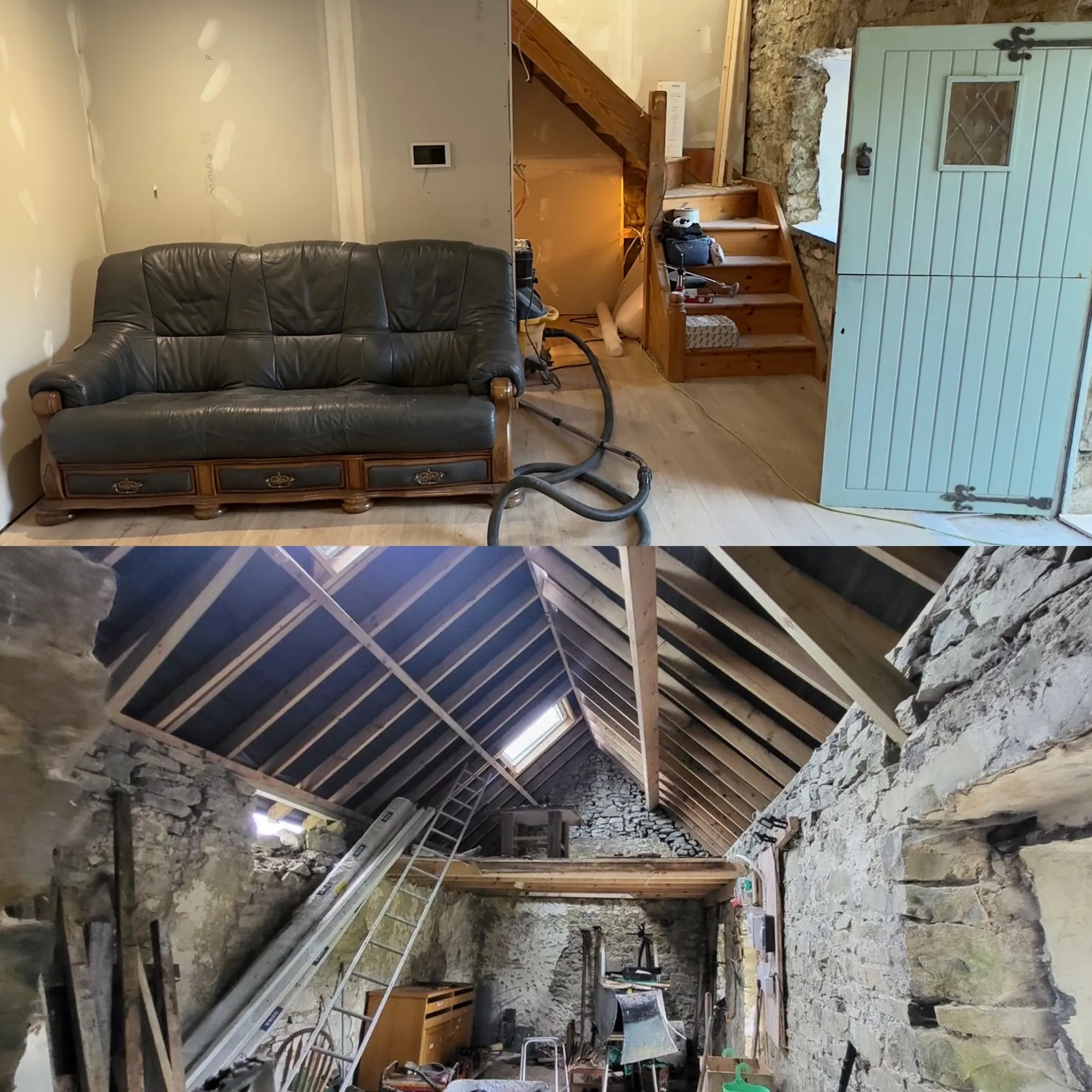
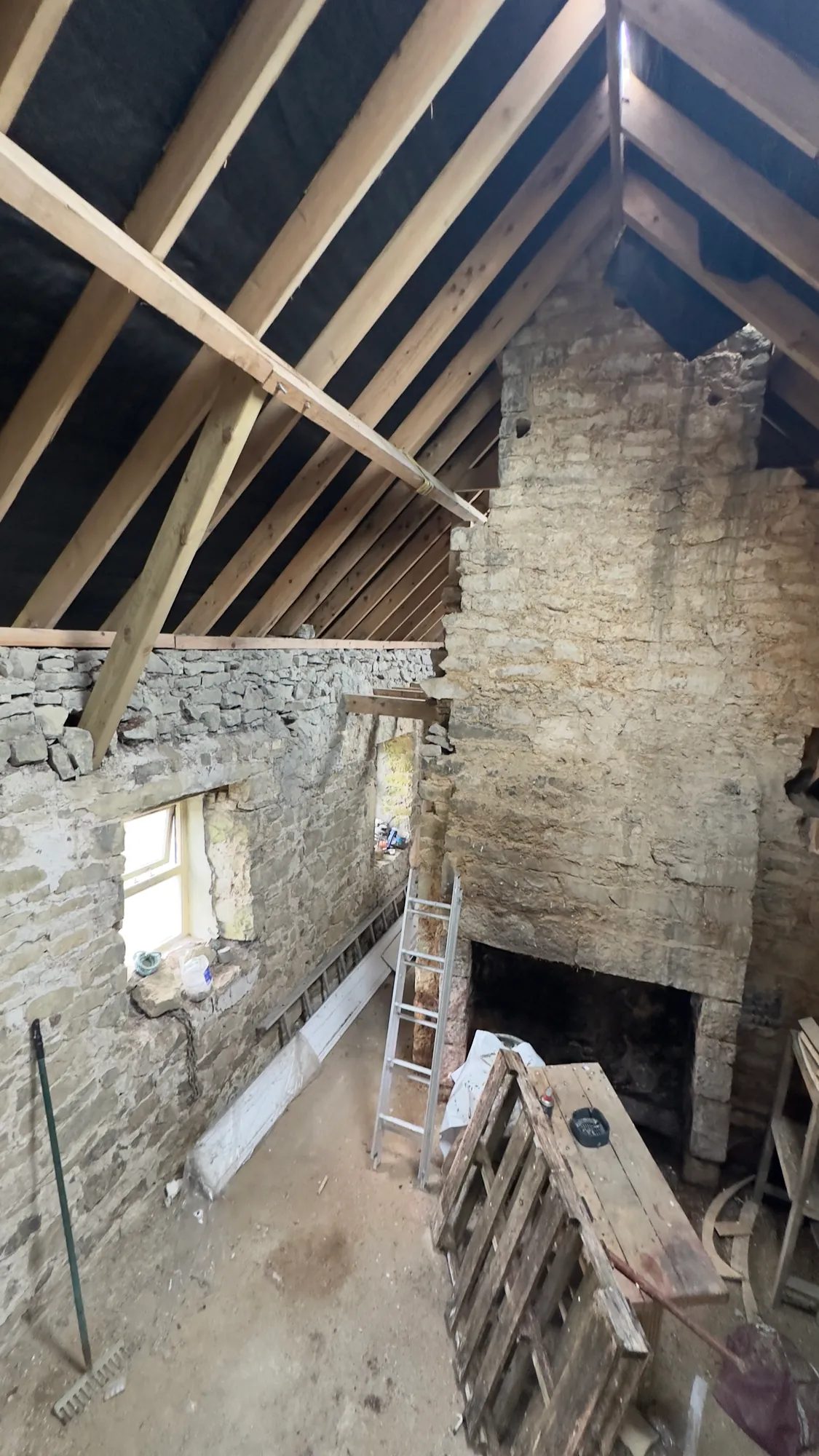
As found, the cottage had bare stone walls, a floor that had given way and daylight showing through the roof timbers: not a house anyone could have slept in, and so not a residential property in Revenue's sense until it was made one. Kieran did not claim the grant; he paid for the work from his savings and kept a spreadsheet with a line for every receipt and a weekly timeline beside it, built around the categories on the grant form. Tidied up, that spreadsheet is the tracker linked above, and it is the same habit that keeps an exemption safe.
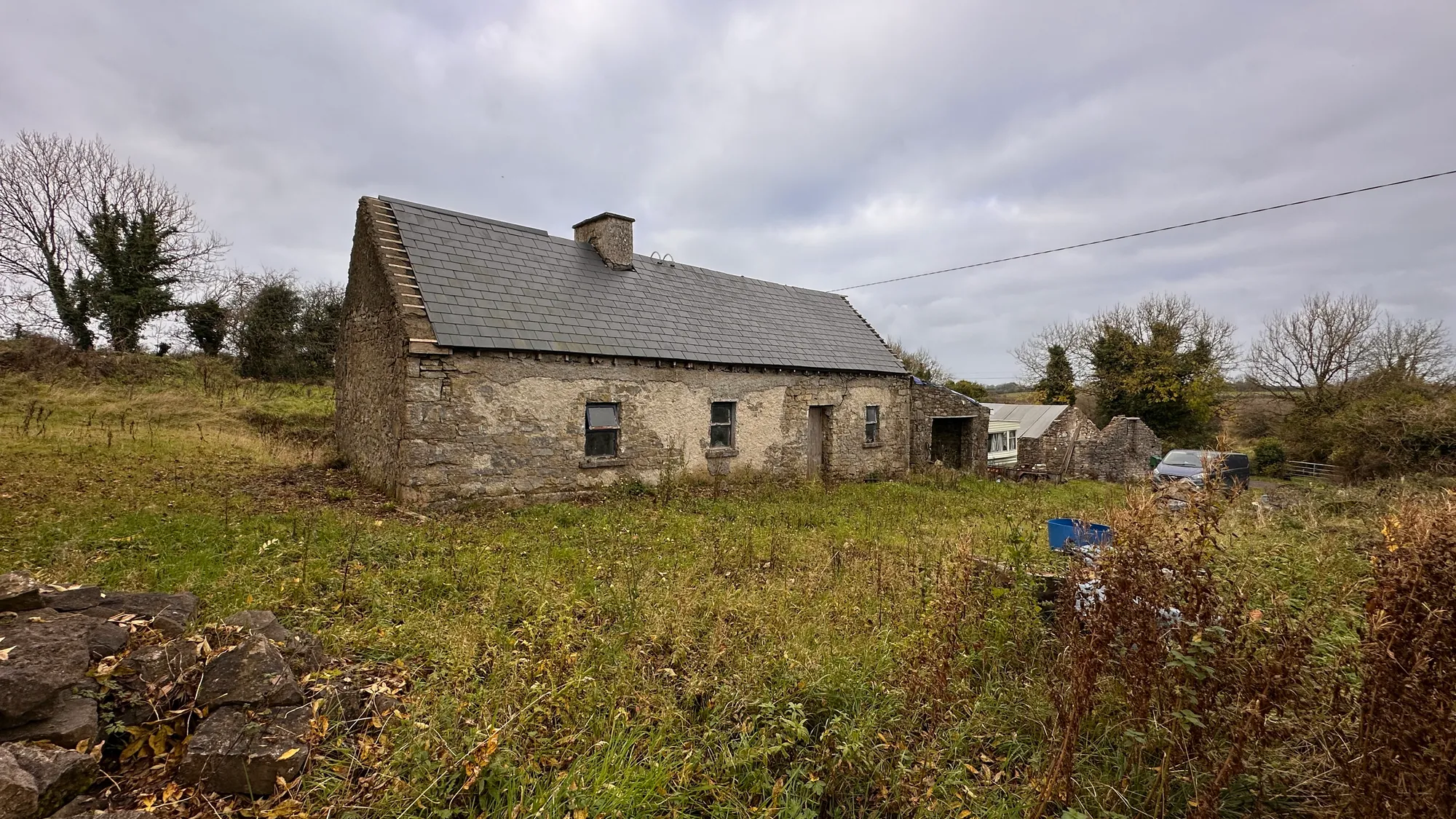
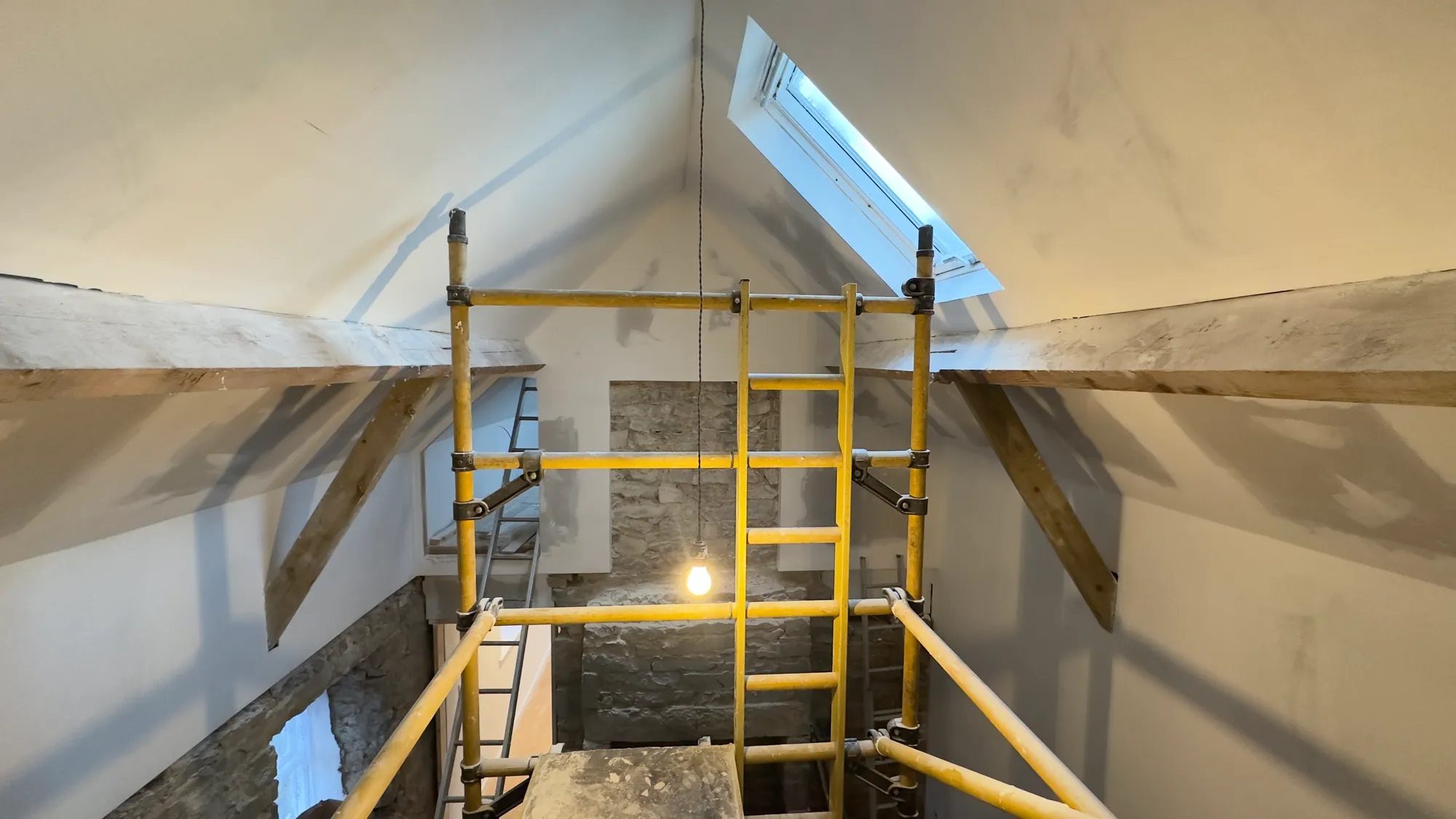
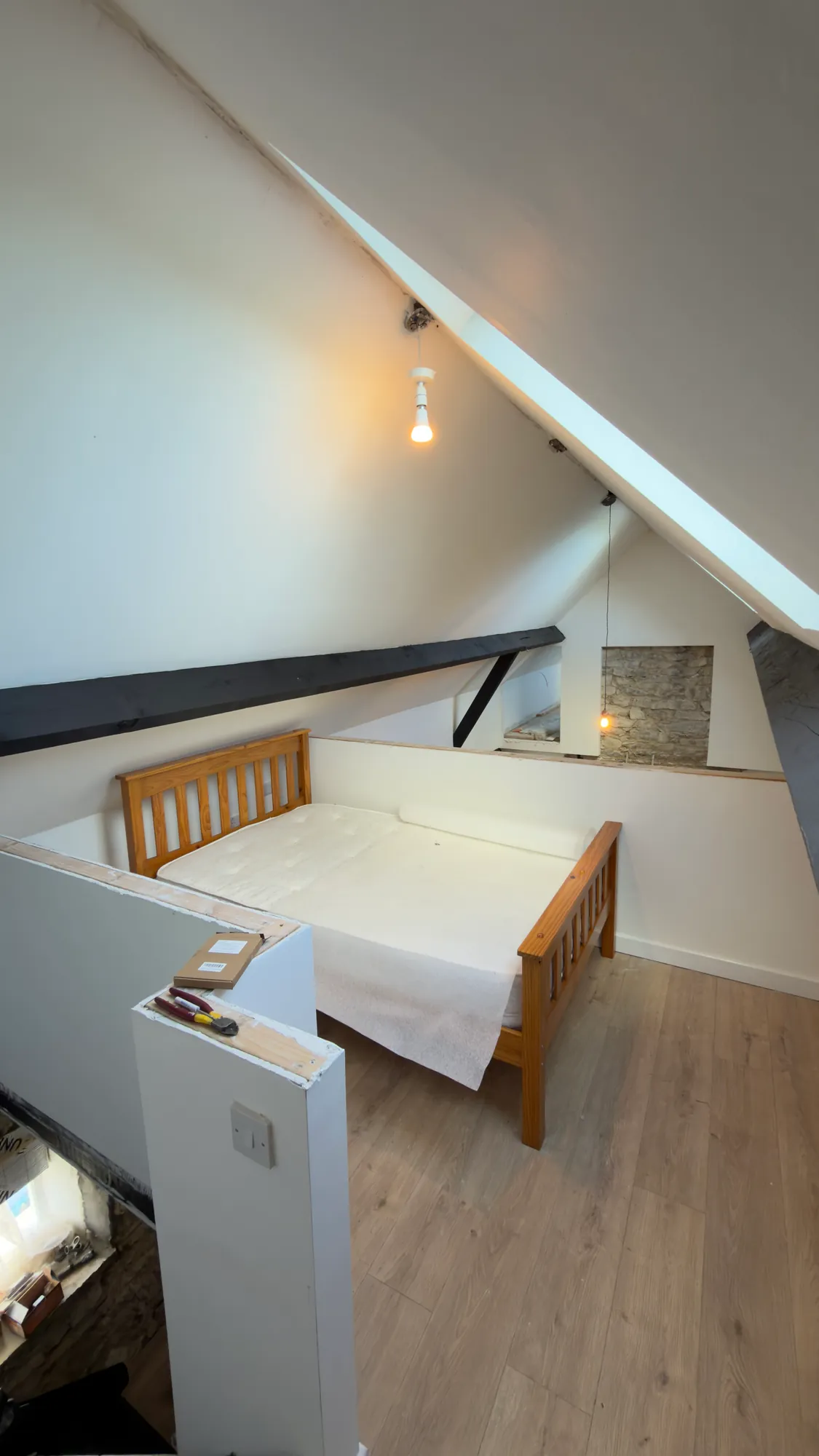
The cottage now runs on Crestron: lighting, heating, audio, CCTV and the alarm from one system, and the water pump and the septic tank as well, the story on our rural property automation page. If you keep a second house in Dublin outside the tax by using it, the simplest proof is a house that is plainly lived in when you are not there: heating on a schedule, lights on a routine, cameras you can check from your phone. The first fix that carries it is cheap while the walls are open, as our guide to what to wire at first fix explains, with figures on smart home cost in Ireland. Our purchase and renovation loan and SEAI grants guides cover the funding and the insulation money that stack on top of the grant.
Questions we are often asked
How much is the vacant homes tax in Dublin?
Seven times the basic Local Property Tax for the property's valuation band, before any council adjustment, and on top of the LPT itself. A house in the €525,001 to €630,000 band pays €3,661 for the period; Revenue's own example at €325,000 comes to €2,331.
Do I pay vacant homes tax in the year I buy an empty house?
No. Revenue says the tax does not apply to a period in which the property was sold and the owners changed, including by gift, inheritance or compulsory purchase.
Is a house I am renovating under the Vacant Property Refurbishment Grant exempt?
It can be, under the exemption for structural works, substantial repairs or substantial refurbishment: the works must run for six months or more in the period without undue delay, and either a registered professional or chartered engineer certifies the house was unsafe to occupy, or the works cost more than 20% of its market value before they started. You claim the exemption in your return for each period.
When is the vacant homes tax return due?
By 7 November after the chargeable period ends, with payment by 1 January. The current period runs from 1 November 2026 to 31 October 2027, so its return is due on 7 November 2027. A late or incorrect return carries a surcharge of 5%, or 10% after two months, plus interest of 8% a year.
Does a derelict shell owe the vacant homes tax?
Not while it is unfit to live in. The tax applies only to residential property for Local Property Tax purposes, meaning a property occupied as a dwelling or suitable for use as one. A building that is not suitable is outside both taxes; the new Derelict Property Tax is designed for exactly that building from 2028.
What is the Derelict Property Tax and when does it start?
A new tax of 7% of a derelict property's value, collected by Revenue instead of the council levy it replaces, based on registers the local authorities compile from January 2027 in towns of 4,000 people or more. The preliminary register is due on 1 September 2027 and the first payment by June 2028, unless the owner remediates the property.
Sources, read on 28 November 2026: Revenue's pages on how VHT applies, the rate, when it does not apply, the structural works exemption, residential property for LPT and what happens if you do not comply, and LPT valuation bands and rates (27 October 2026); the Department of Finance's release on the Finance (No. 2) Bill 2026 (19 October 2026); Citizens Information's Budget 2027 summary (edited 17 November 2026); RTÉ News of 2 April 2026; KPMG's Finance Bill note for the working dates; and the Department of Housing's Vacant Property Refurbishment Grant page on gov.ie (last updated 22 October 2026).
If you are taking on an empty house in Dublin and you want the heating, the lighting, the security and the record keeping planned before the first wall is opened, we would be glad to help.
Book a consultation or call our Dublin office on 01 906 9326.
- Log in to post comments