The derelict property grant in Ireland is a €20,000 top up to the Vacant Property Refurbishment Grant, lifting the maximum from €50,000 to €70,000 for a home that is structurally unsound and dangerous. To get it you need either an entry on your council's Derelict Sites Register or an independent report from a registered building surveyor, engineer or architect, and a refurbishment that costs more than €50,000.
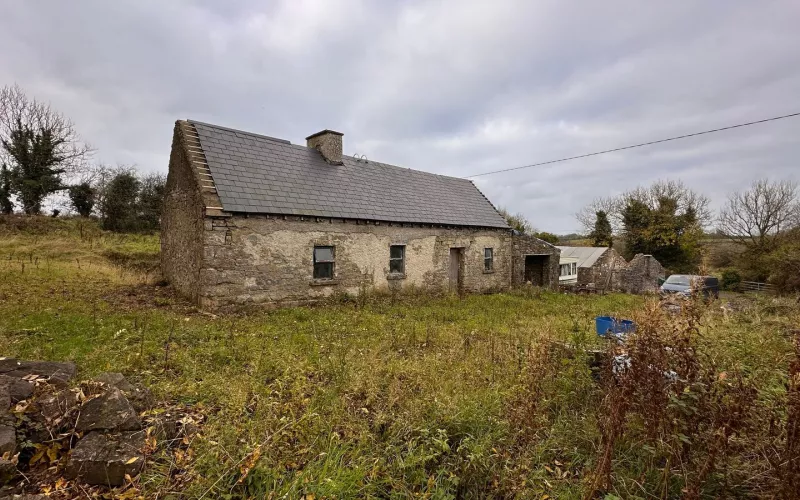
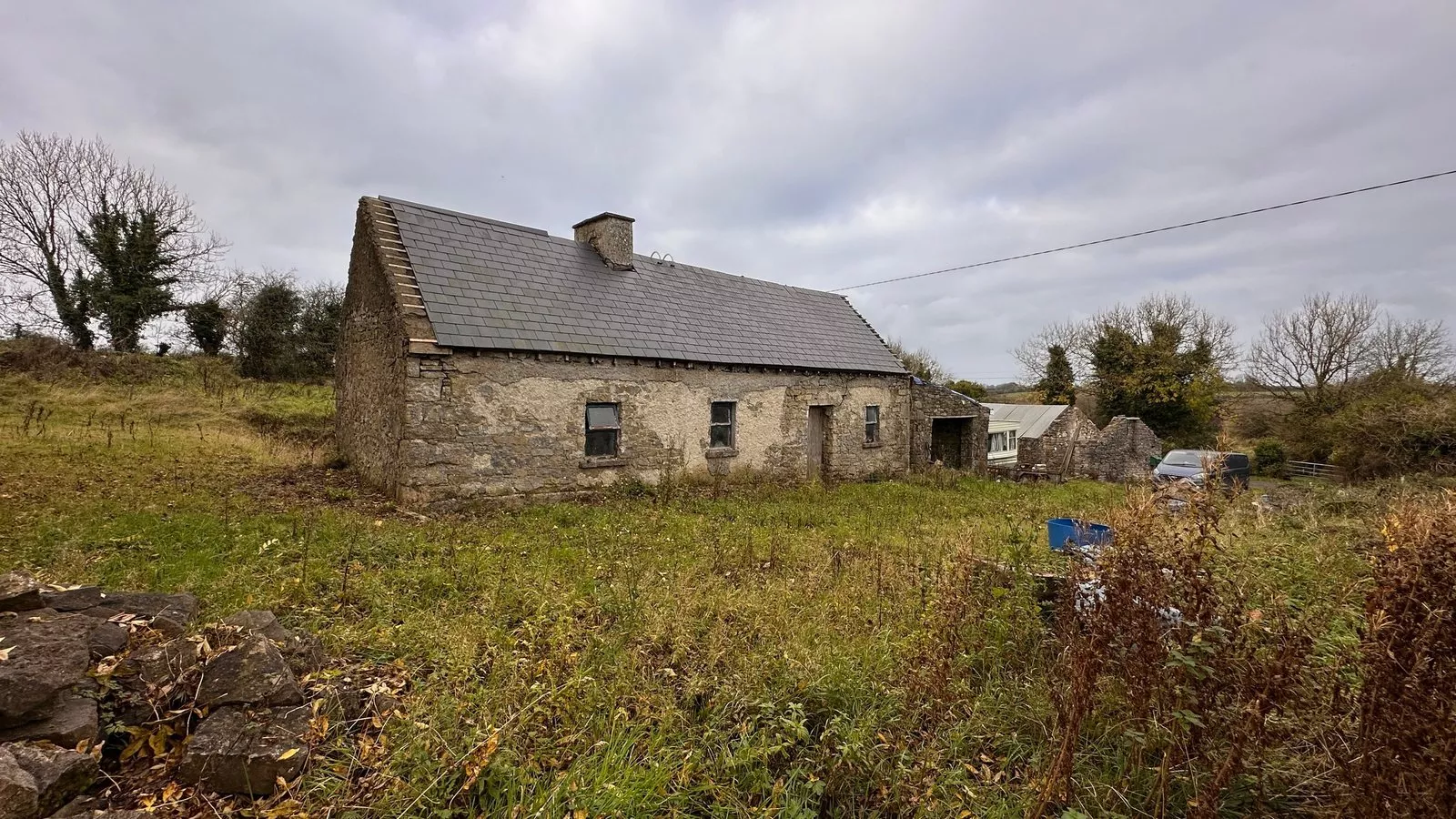
People search for it as the derelict house grant, the derelict home grant or the derelict top up, and the council will call it the Derelict Property Top-up Grant. Whatever you call it, it is the difference between a serious contribution and a life changing one when the house you have fallen for has no floor, a leaking roof and a cracked gable. This page explains what derelict means in the eyes of the scheme, how you prove it, how much you get, the timeline from first viewing to the money landing, and the clawback that follows. It also shows what derelict looked like at Ivy Cottage, the Roscommon cottage our founder restored, with photos from the first day onwards.
For the full picture of the underlying scheme, eligibility, the works categories and the other grants you can add, read our complete guide to the Vacant Property Refurbishment Grant. This page goes deep on the derelict side only.
What counts as derelict for the derelict property grant
The scheme uses a short definition: the property must be structurally unsound and dangerous. That is a higher bar than tired, damp or unloved. A house with an intact roof, sound walls and a bad kitchen is vacant, not derelict. A cottage with a collapsed floor, roof timbers open to the sky and walls that need rebuilding or tying is the kind of property the top up was written for.
There are two routes to proving it.
- The Derelict Sites Register. Every council keeps one under the Derelict Sites Act 1990. If the property is already listed, that is your proof and no report is needed. Ask the Vacant Homes Officer or the council's derelict sites section to check.
- An independent report. If it is not on the register, a registered building surveyor, engineer or architect inspects the property and writes a report confirming it is derelict. The council has to be satisfied by the report, so a one line letter will not do: it should describe the structure, the roof, the floors and the services, and say plainly that the building is structurally unsound and dangerous.
On top of that, the refurbishment must cost more than the standard €50,000. If your quotes come in under that, there is no top up to pay, because the standard grant already covers the job.
How much the derelict property grant is worth
| Property | Standard grant | With the derelict top up |
|---|---|---|
| House or apartment on the mainland | €50,000 | €70,000 |
| House on an offshore island | €60,000 | €84,000 |
| Former commercial or public building converted into two homes (from 31 March 2026) | €70,000 | €90,000 |
| Former commercial or public building converted into three or more homes | €90,000 | €110,000 |
All figures include VAT, and the grant can never exceed the cost of the eligible works. The categories of work are capped individually for finishes and fittings (windows and external doors €21,000, internal doors €7,000, kitchen units €7,700, floor finishes €5,000 and so on), while demolition, substructure, superstructure, services and extensions are limited only by the overall €70,000. That matters on a derelict job, because the money goes into exactly those structural categories first.
The register, the levy and the new derelict property tax
The Derelict Sites Register cuts both ways. Being on it proves dereliction for the grant, but an owner of a registered site is also liable for the Derelict Sites Levy, currently 7% of the site's market value every year. In Budget 2026 the Government announced that the levy will be replaced by a Derelict Property Tax collected by Revenue, at no less than 7% of market value, with legislation expected in 2026 and the tax taking effect in 2027. Separately, the Vacant Homes Tax now stands at seven times the Local Property Tax for a habitable home occupied for fewer than 30 days a year. The direction of travel is clear: it is becoming expensive to leave a building to rot, and the grant is the carrot that goes with those sticks.
For a buyer this is useful leverage. A vendor sitting on a derelict site faces a rising annual bill, and a buyer with a council letter of approval in principle can close quickly. For a seller, the same facts argue for selling to someone who will use the grant rather than holding on.
Ivy Cottage: what derelict actually looks like
Our founder Kieran McGuire had always wanted a small cottage in the country, the kind of boyhood ambition that never quite goes away. Ivy Cottage, a stone cottage in Roscommon, was derelict when he bought it. He did it as a personal project rather than a 1Install job, and photographed it from the first visit.
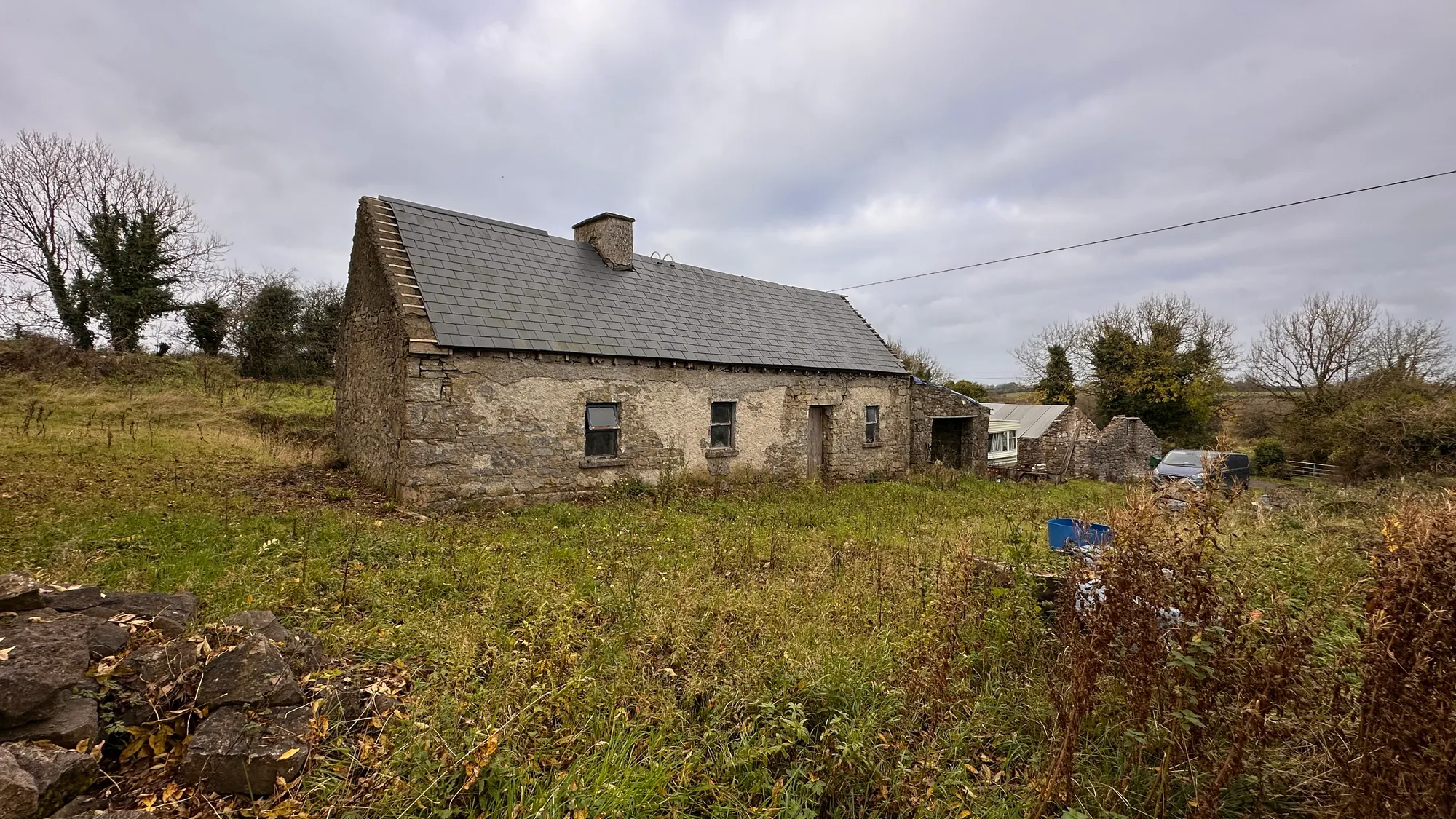
From the road it looked like a sound slate roof on a stone cottage. Inside, the floor had given way, the walls were bare stone with the old plaster and red paint peeling off, and in places daylight came through the roof timbers. That is the gap between vacant and derelict: the outside can look almost fine while the inside is unsafe to walk through.
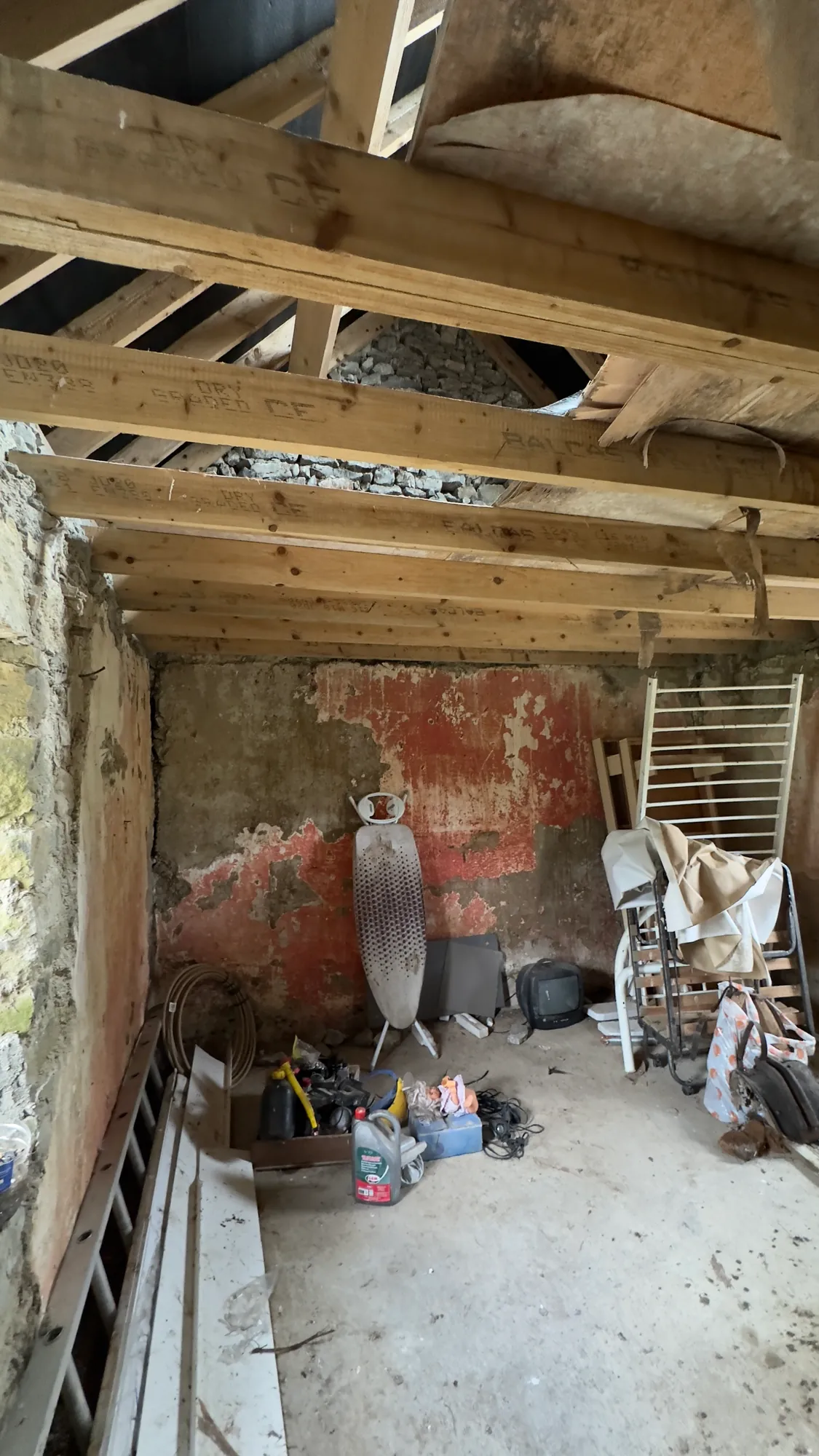
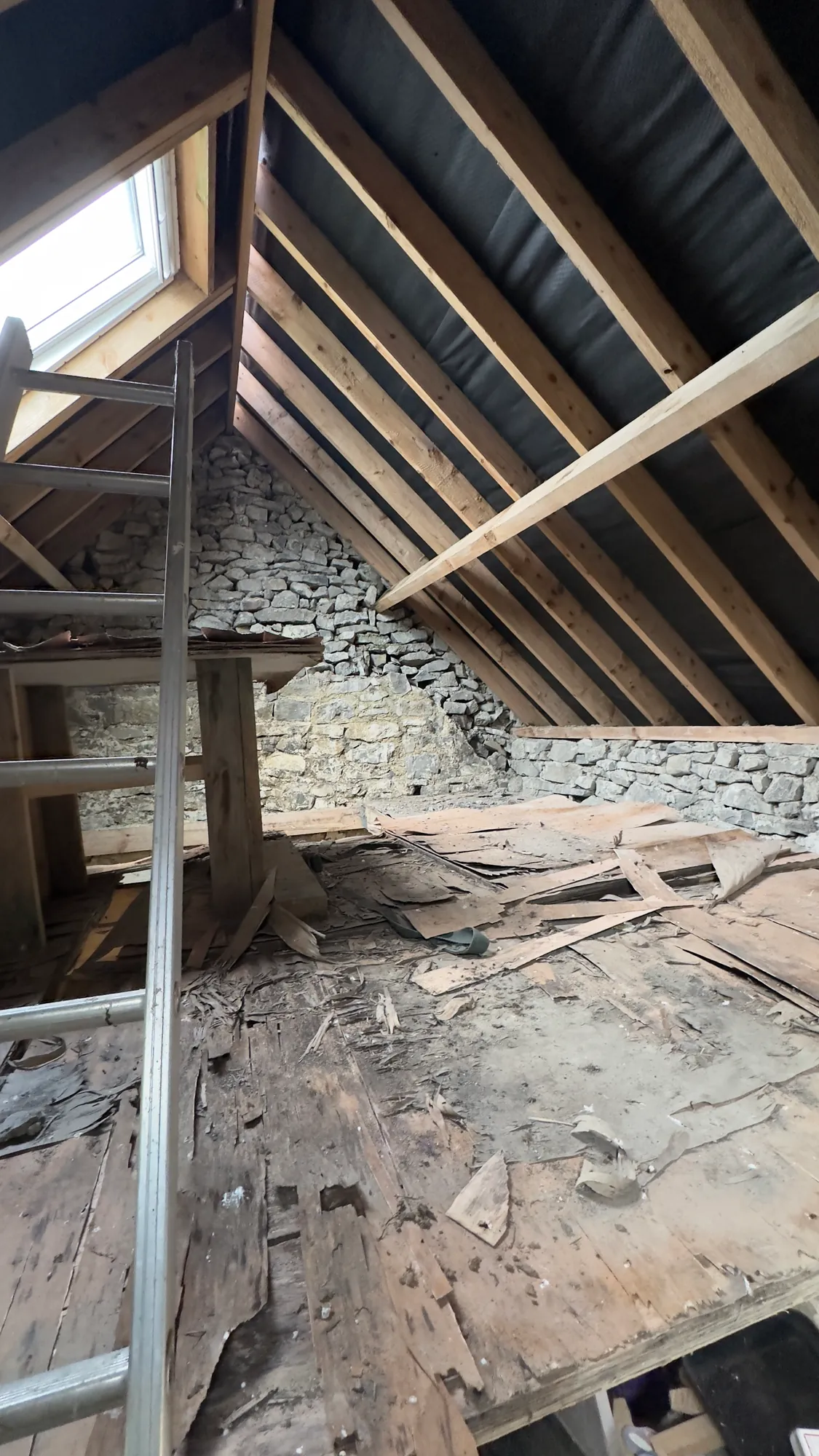
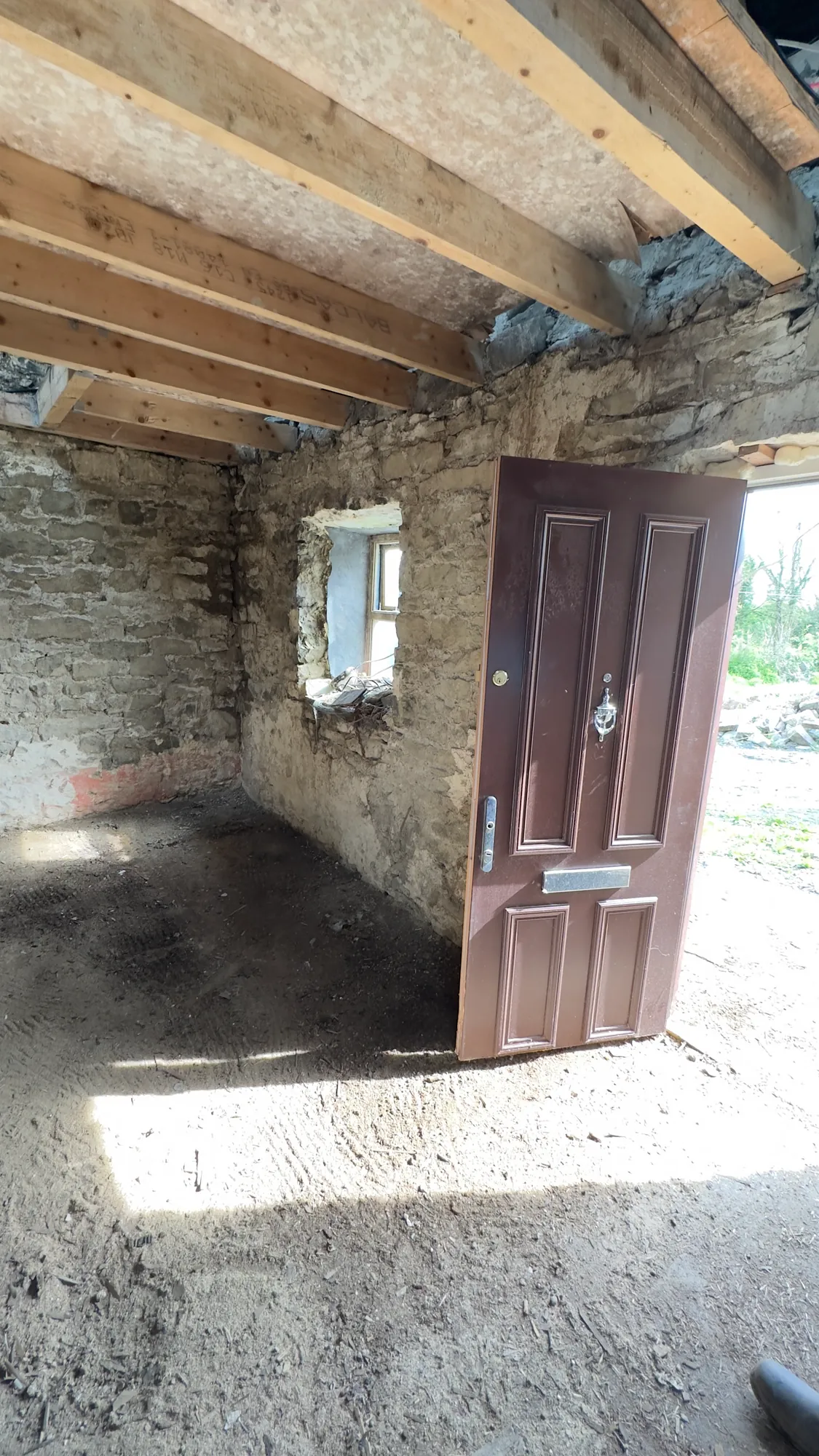
The work ran through 2025. The shell was stripped back to stone, new timbers and insulation went into the roof, stud walls and a timber staircase framed out the rooms, the first fix cabling went in while everything was open, and then the floors went down.
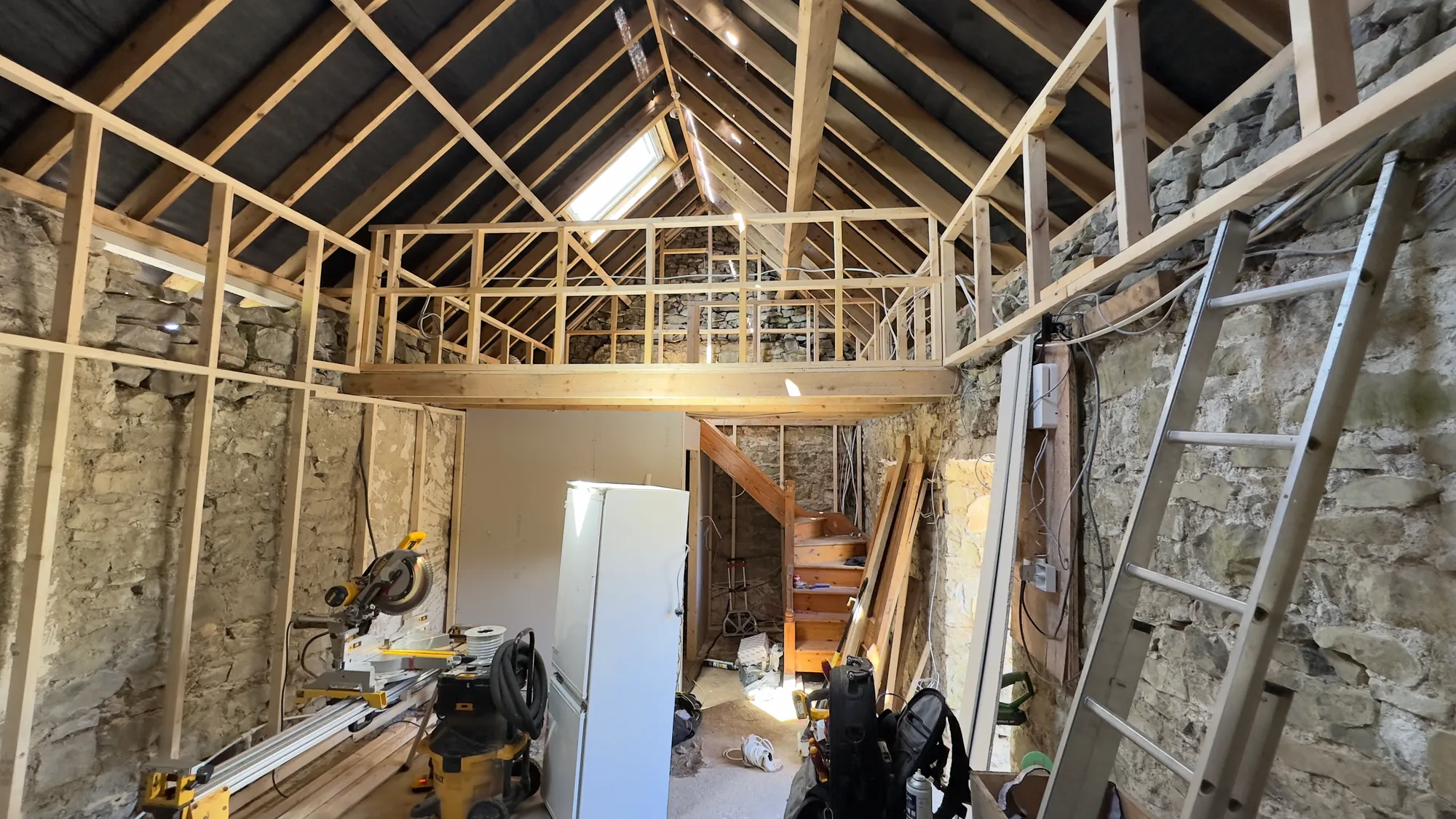
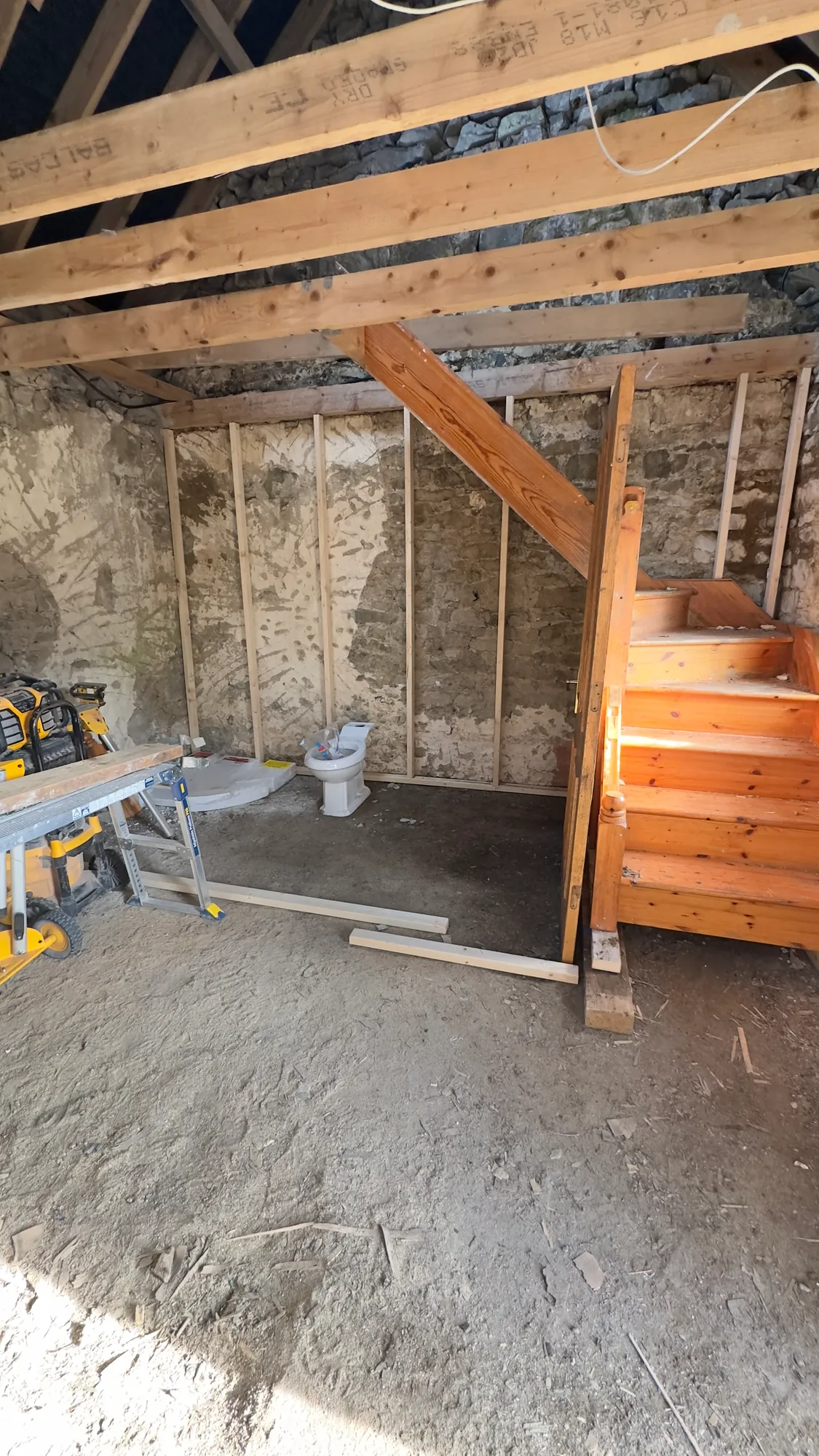
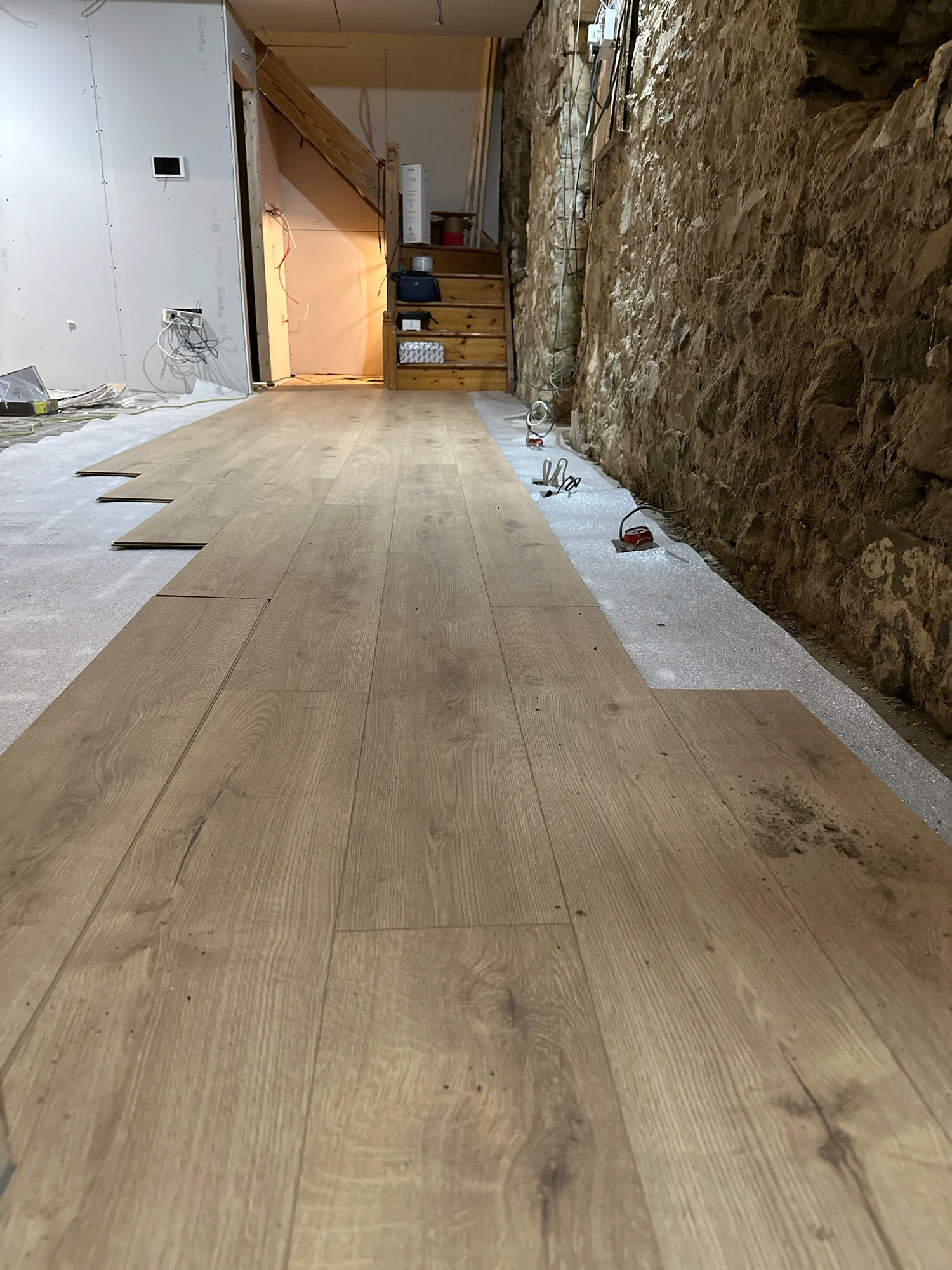
Because the walls were open, the cottage got the kind of wiring we normally put into much larger houses. It now runs on Crestron: lighting, heating, audio, CCTV and the alarm from one system, and, because it is a rural house on its own water supply with its own septic tank, the water pump and the septic tank are automated too. You can read how that works on our rural property automation page, and follow the house itself on Instagram at @myhomestead.ie.
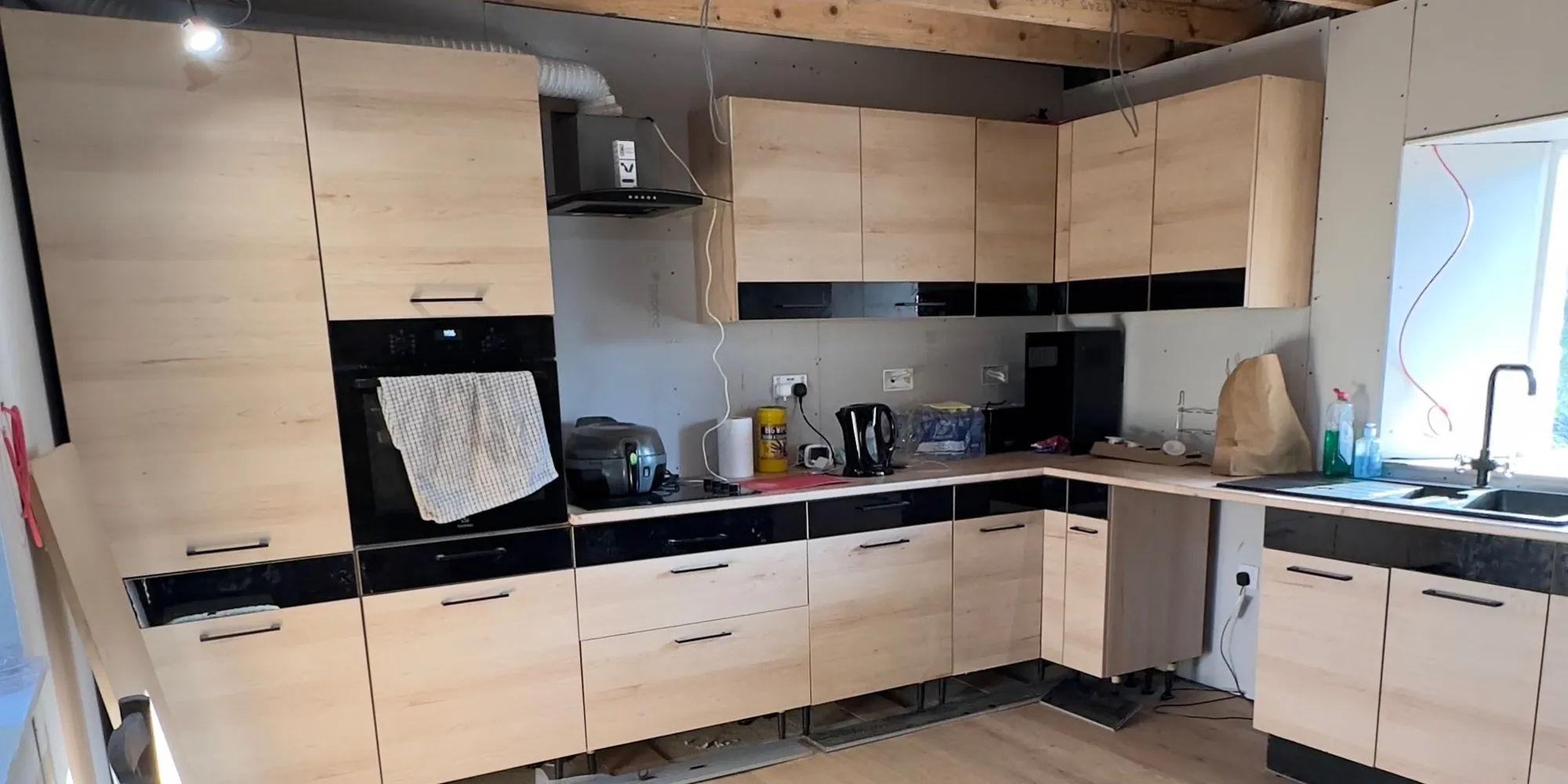
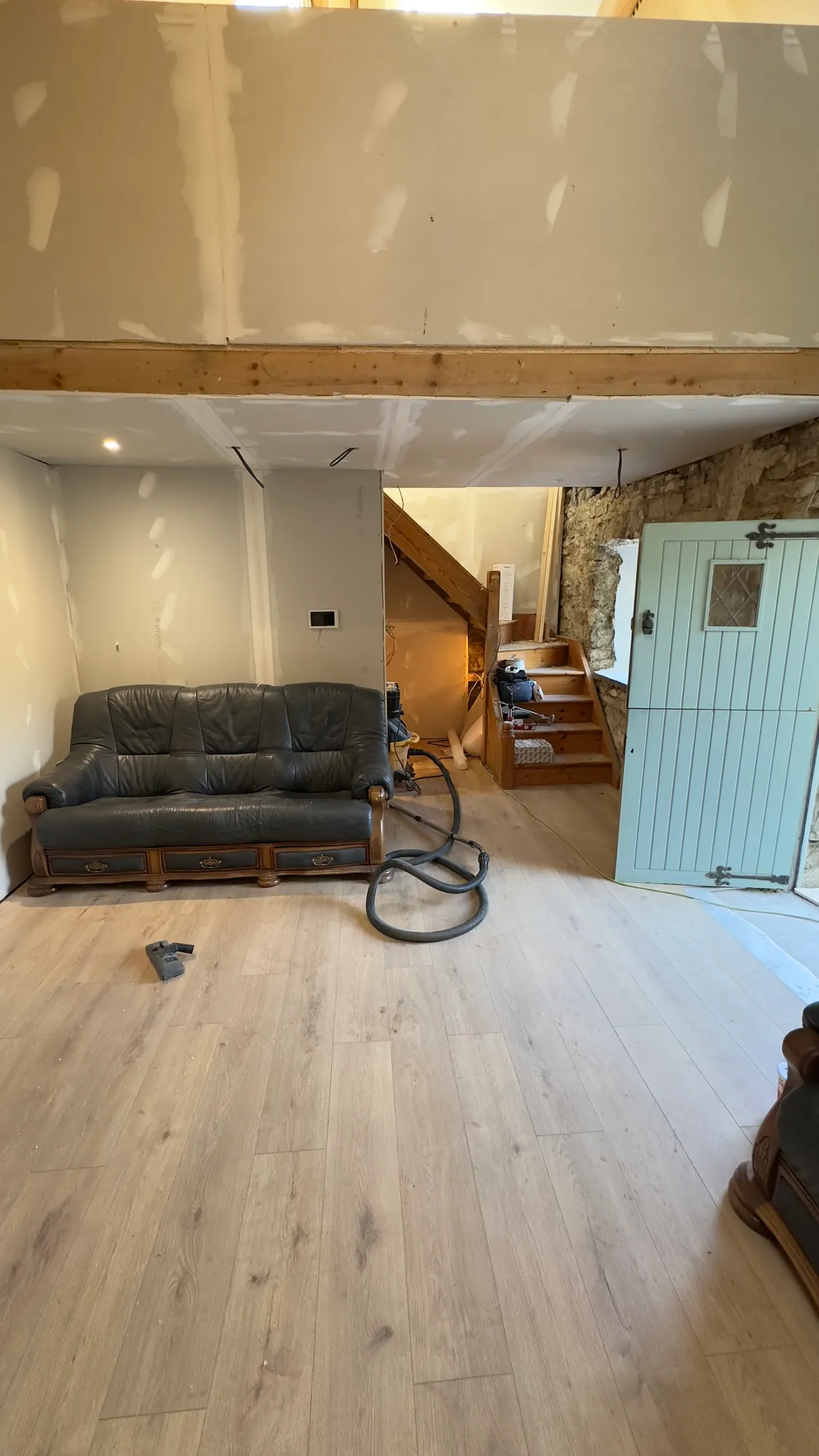
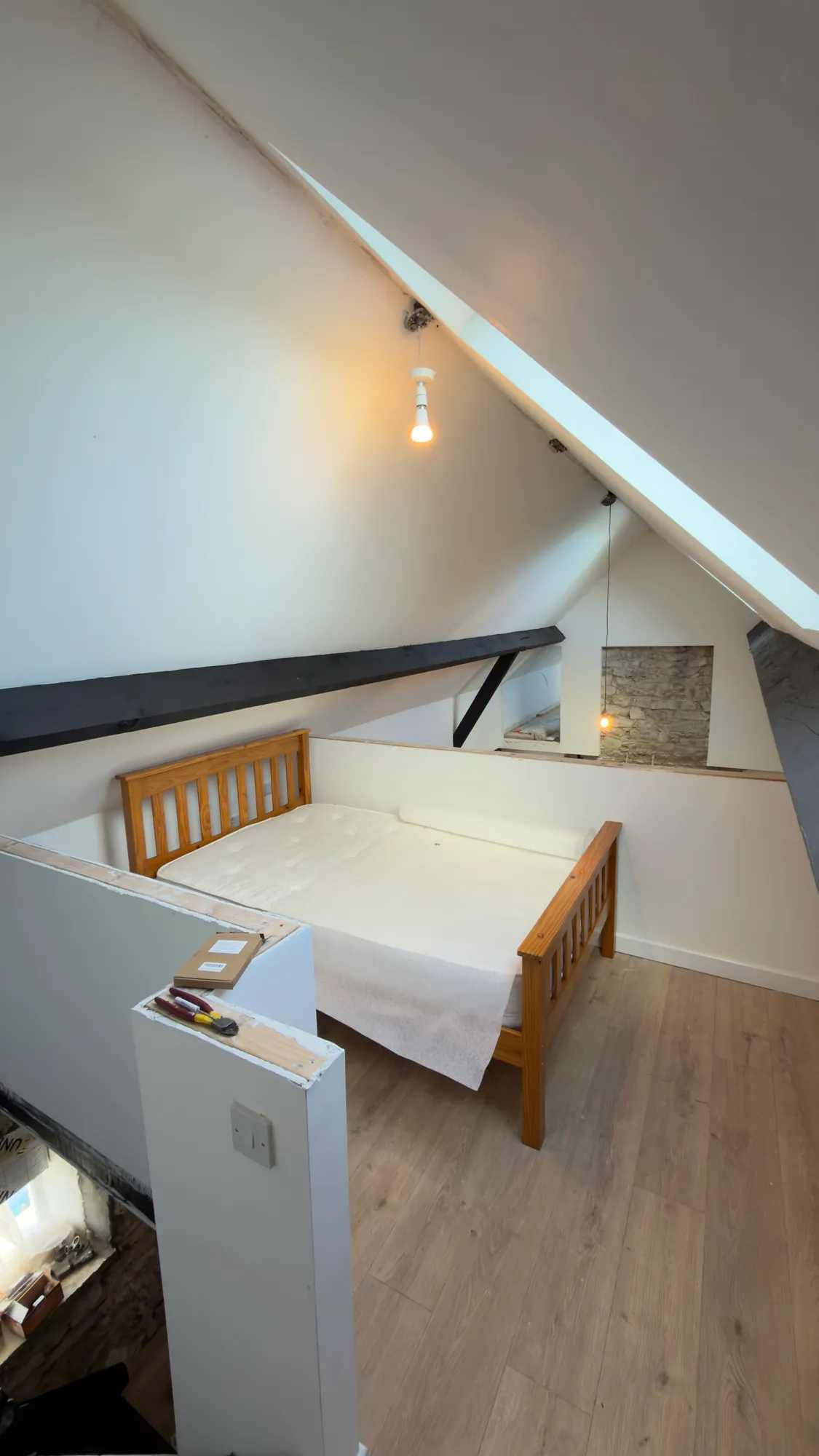
Kieran did not claim the derelict property grant on Ivy Cottage; he chose to pay for the work out of his savings instead. The categories he used to track his own spending are the same ones on the application form. He has shared that tracker for free; the download and a full description are in the complete grant guide. The next project is a new build house in Cork.
The derelict property grant timeline from first viewing to payment
- Before you go sale agreed. Ask the Vacant Homes Officer whether the property is on the Derelict Sites Register and whether it is likely to qualify. Ask the vendor for two years of utility bills showing little or no use. Commission the surveyor's or engineer's report; it is the single document that decides whether you are looking at €50,000 or €70,000, and it will also tell you what the structure needs.
- Sale agreed. Apply for approval in principle with the estate agent's confirmation of the sale, the report, the vacancy evidence and quotations broken into the scheme's categories. If you need a mortgage, tell the lender about the council's charge now. First time buyers and Fresh Start applicants who cannot get bank finance can apply for the Local Authority Purchase and Renovation Loan, which lends for the purchase and the works and bridges the grant amount at a variable 3.5% until the grant is paid.
- Council inspection and approval. Technical staff visit, check the costs against the caps and confirm the dereliction evidence. You get a letter of approval, or approval in principle until the sale closes. Appeals go in within three weeks of a refusal.
- Closing and starting. Only once the property is in your name and you hold the approval letter can grant eligible work begin. Anything done before the letter is not paid for. Planning permission or a Section 5 declaration must be in place for anything that needs it, including extensions and demolition.
- The works: 18 months. Approval is valid for 18 months and the works must be finished in that time; extensions are for exceptional cases only. Track every invoice by category as you go, because that is how you will have to present them.
- Claim and payment. Submit the invoices and receipts, your tax clearance (needed for a grant over €10,000), tax clearance for every contractor paid more than €650, bank details and the signed charge document. The council inspects the finished home and pays the grant in one payment. For a rental, the tenancy must be registered with the RTB first.
Budgeting a derelict refurbishment
Derelict jobs are where budgets go wrong, because the expensive work is the work you cannot see from the road. A realistic plan starts with the report, then prices the structural categories first: strip out and demolition, substructure (floors, radon barrier, insulation under the slab), superstructure (walls, roof structure, chimneys, lintels), and services (electrics, plumbing, heating, drainage). Those draw the full €70,000 before a single tile or kitchen door is counted.
Three other schemes are worth pricing at the same time, because a derelict rural property usually needs them.
- The well. If the house cannot be connected to a public or group water scheme, the council pays 85% of a new well up to €5,000, 85% of rehabilitating an existing well up to €3,000, and 100% of water treatment up to €1,000, provided the house is at least seven years old and will be your home.
- The septic tank. Up to €12,000 at 85% of cost to repair, upgrade or replace a domestic waste water treatment system, but only where the system failed an inspection under the National Inspection Plan or the house is in a Prioritised Area for Action or a High Status Objective catchment, confirmed in writing by the council or the Local Authority Waters Programme. Register the system either way.
- Energy. SEAI grants cover insulation, windows and doors, a heat pump of up to €14,500, heating controls, solar panels and a battery, as long as the same item is not also claimed under the refurbishment grant. Since December 2024 the refurbishment grant does not pay for a standalone fossil fuel boiler, so a heat pump is usually the route; our guide to heat pump controls covers the controls and zoning.
If the cottage is a traditional one, with stone walls, lime render or a slate roof worth keeping, the Department's Conservation Advice Scheme for Traditional Houses pays 67% of a conservation expert's report, up to €5,000. The 2026 round closed on 8 May 2026, so watch for the next one before you start stripping walls.
Clawback, the charge on your home and renting it out
Once the grant is paid the council registers a charge equal to the grant against the property for ten years, ranking behind your mortgage. You must live in the home as your principal private residence, or keep it let on an RTB registered tenancy, for at least five years. Sell, move out or stop letting within five years and the whole grant is repayable; between five and ten years, 75% of it; after ten years, nothing. A rented home needs proof of RTB registration every year for the ten years, and short term letting is not permitted. The top up follows the same rules as the main grant, so a €70,000 grant means a €70,000 charge.
Smart home wiring in a derelict refurbishment
A derelict job is the one time the whole house is open at once, which is why Ivy Cottage ended up with a system that most new builds would envy. The cabling for lighting control, the network, speakers, cameras and the alarm costs little at first fix and a great deal after the plasterers have gone. Our guides to first fix wiring and security wiring list what to run, our comparison of home automation systems helps you choose the platform, and smart home cost in Ireland gives honest figures. We design and install across the country from Dublin and Cork, including Crestron in Dublin and Crestron in Cork, and every job starts with a survey and a design, as set out on our process page.
Questions we are often asked
How much is the derelict property grant in Ireland?
Up to €70,000 for a derelict home on the mainland, made up of the €50,000 Vacant Property Refurbishment Grant and a €20,000 derelict top up. On an offshore island it is up to €84,000. The grant includes VAT and cannot exceed the cost of the eligible works.
Who decides whether a house is derelict?
The local authority, based on either the Derelict Sites Register or an independent report from a registered building surveyor, engineer or architect stating that the property is structurally unsound and dangerous. The council's own technical staff inspect the property as well before approval.
Do I need the house to be on the Derelict Sites Register?
No. The register is one route, the professional report is the other. Many buyers use the report, because getting a property onto the register is a formal council process and brings the Derelict Sites Levy with it.
How long do I have to do the work on a derelict property?
18 months from the date of the approval letter, the same as a vacant property. The council can extend it in exceptional cases, but plan for 18, and remember that nothing started before the letter is paid for.
Is the derelict top up paid separately or in stages?
Neither. The main grant and the top up are paid together, in one payment, after the final inspection and your invoices and tax clearance are in. If cash flow is the problem, the Local Authority Purchase and Renovation Loan bridges the grant until it arrives.
Can I buy a derelict house, use the grant and sell it on?
Not without repaying it. If you sell within five years of payment you repay the full grant, between five and ten years 75%, and companies, developers and investors cannot apply in the first place. The scheme is for people who will live in the home or let it long term.
What if the refurbishment costs less than €50,000?
Then there is no derelict top up, because the top up only applies where the costs exceed the standard grant. You can still claim up to the actual cost of the eligible works under the standard €50,000.
Source: Department of Housing, Local Government and Heritage, Vacant Property Refurbishment Grant scheme outline, August 2026, the grant page on gov.ie and the Vacant Homes Tax page on gov.ie. Figures checked on 11 October 2026; confirm the current terms with your council before you rely on them.
If you have a derelict house in your sights and want the wiring, the heating and the security planned before the walls close up, we are happy to look at the drawings with you.
Book a consultation or call Dublin on 01 906 9326 or Cork on 021 202 8107.
- Log in to post comments