The private well grant pays 85% of the cost of a new well up to €5,000, 85% of the cost of rehabilitating an existing well up to €3,000, and 100% of water treatment up to €1,000, for a house that cannot be connected to Uisce Éireann or a group water scheme. For a Dublin buyer taking on a vacant cottage with a dead pump and a silted well, it is the first grant to ask the council about, and it sits alongside the Vacant Property Refurbishment Grant rather than replacing it.
Most of the people who ask us about rural cottages are leaving Dublin, or keeping a foot in the city and working from the country three days a week. The house they have found has usually been empty for years, and the first practical question after the roof is water: where does it come from, does the pump still run, and is it safe to drink. This guide covers the grant side of that question, the catches that matter on a house that has stood vacant, the forms and tests the council needs, and what our founder learned when he put Ivy Cottage, his own Roscommon cottage, on its own well and then on Crestron.
Every figure was checked on 24 October 2026 against the Housing (Private Water Supply Financial Assistance) Regulations 2020 and the council pages that apply them. The scheme is national, so the caps are the same in the north county, the Dublin mountains or beyond the Shannon; the rural water section of the council where the house stands is who you deal with.
What the private well grant pays in 2026
| Work | Grant | Cap |
|---|---|---|
| Rehabilitating an existing well (deepening, relining, clearing silt) | 85% of approved cost | €3,000 |
| A new well, where the council agrees it is the most appropriate solution | 85% of approved cost | €5,000 |
| Treatment to bring the water up to drinking standard (filtration, ultraviolet) | 100% of approved cost | €1,000 |
Three rules shape the table. You can claim rehabilitation or a new well, never both, and treatment can be added to either. Works costing less than €750 in total are not eligible. And the "approved cost" is the council's own estimate of a reasonable price, or your actual bill, whichever is lower, so a high quote does not raise the grant.
Who qualifies, and the timing question on a vacant house
- The supply. The water must fail the drinking water quality standards, or the quantity must be too little for the household. A private supply serves one house only; a well shared between neighbours with separate pipes to each house is not covered by this grant.
- No public option. The house is not connected to Uisce Éireann or a group water scheme, cannot reasonably be connected, and is not in an area that is about to be served by either. On the edge of a Dublin town that question is worth asking before you spend anything, because a connection that is possible rules the grant out.
- The house. Fully built for more than seven years, so any pre 2008 cottage that qualifies for the refurbishment grant passes this test easily.
- You. The applicant occupies the house as their normal place of residence. A long term rental qualifies; a holiday home, a short let, a caravan or a mobile home does not.
- Seven years. No grant for the water supply or treatment may have been paid on the house in the previous seven years. A second application inside that time is allowed only for something unforeseen, such as contamination, subsidence or storm damage, and the two payments together cannot exceed the normal maximum.
The residence rule is the one to think about on a vacant cottage. The regulations are written for someone already living in the house, and a cottage empty for two years or more, which is what the refurbishment grant requires, has nobody living in it yet. Ring the rural water section early, explain that you are buying a vacant house and will be living in it, and ask how they want the application timed. The rule that bites hardest says no work may start before the council's written approval: a pump replaced in week one, before anyone from the council has seen the well, is paid for by you and nobody else.
What the grant covers, and what it leaves to you
The terms and conditions councils issue with form PWS 1a list the qualifying works: drilling and commissioning a new well, rehabilitating an old one, pump houses, piping and the other facilities of the supply, the mechanical and electrical equipment connected to it, treatment equipment, and the water sampling before and after. In plain terms the pump, the pipe from the well to the house and the treatment unit are in. Left out are the plumbing inside the house, anything that serves a farm or a business rather than the home, water softeners, and any work beyond what an ordinary household needs; if the same well is to water stock or a yard, keep that part separate on the quotes.
How to apply, step by step
- Form PWS 1a goes to the housing authority where the cottage is, with three quotes for every piece of the work, treatment included. In the county, South Dublin County Council publishes the form and the terms on its private wells page.
- Pre works inspection. Somebody from the council visits, confirms the problem is real and tells you what will and will not be paid.
- Written approval. Only then does the work start. Begin earlier and the application is not considered.
- The works, and the tests. The water sample must be taken by an INAB accredited laboratory, not by you; for treatment there is a sample before and one after, with the unit running for about two weeks before the second. For a new or rehabilitated well the driller runs a pumping test and signs a Certificate of Water Quantity.
- Form PWS 1b is the claim: the contractors' receipts, a current tax clearance certificate for each contractor, the Certificate of Analysis and, for well works, the Certificate of Water Quantity. The council inspects the finished job before it pays.
- If refused, you have three weeks to appeal in writing; the council decides within four weeks and writes back within two.
Fitting the well grant beside the Vacant Property Refurbishment Grant
The two schemes are paid by the same council, and nothing stops you holding both, as long as no single item is claimed twice. Our complete guide to the Vacant Property Refurbishment Grant sets out the current figures: up to €50,000 for a home empty for two years or more and built before 2008, and up to €70,000 when the derelict top up applies, which our derelict property grant guide explains in full. The well and its pump belong to the water supply, so claim them under the well grant and keep the refurbishment grant's Services category for the rest of the plumbing, the heating and the electrics.
Both end with the council asking for every receipt. The free renovation tracker Kieran built for Ivy Cottage has a tab for each category on the refurbishment form, so add the well as its own lines under Services, mark which grant each receipt is going to, and the final claims write themselves.
Ivy Cottage: the pump that was serving three farms
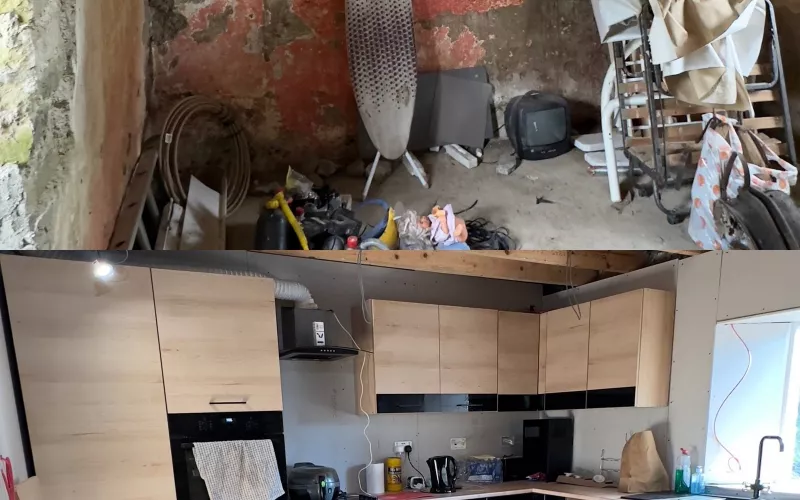
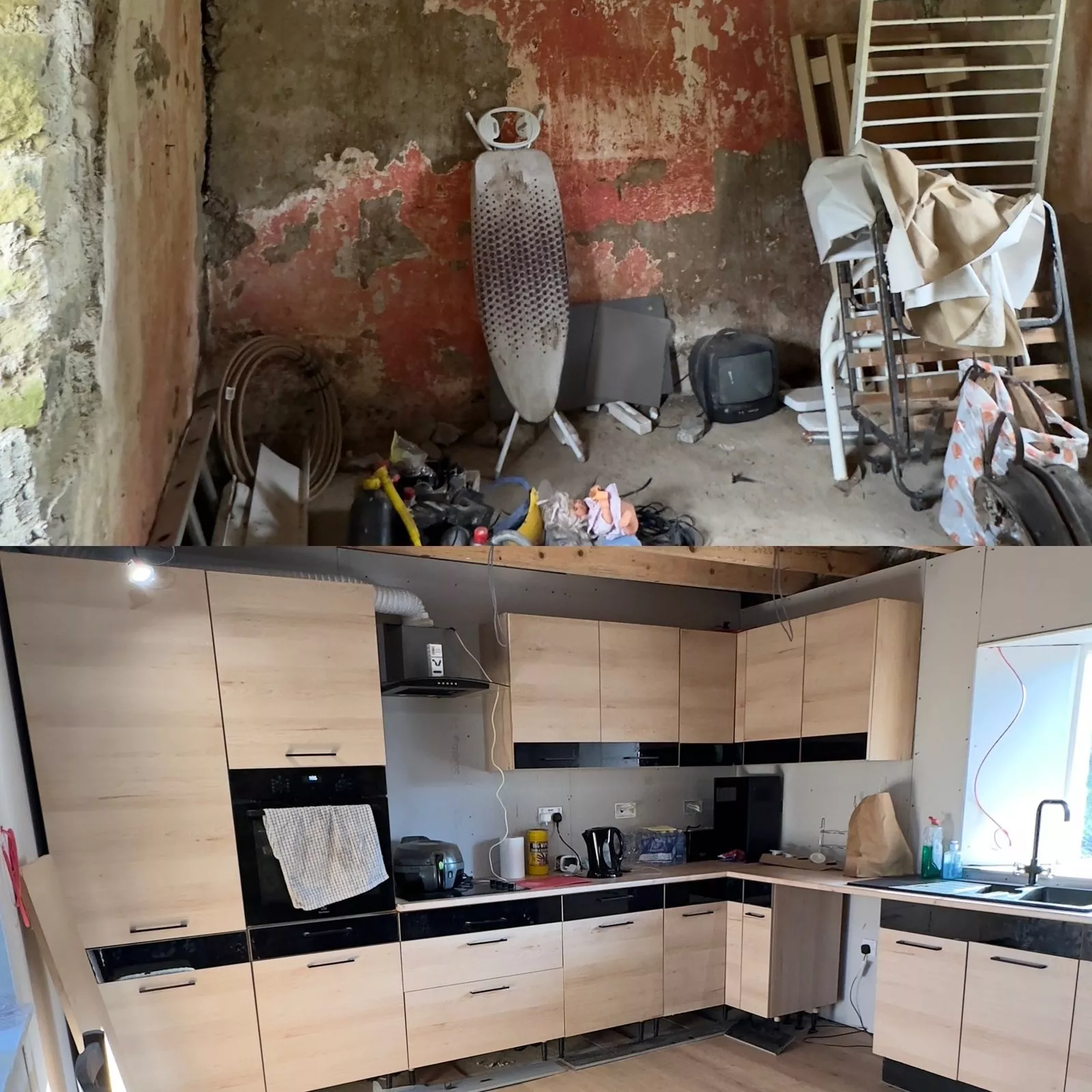
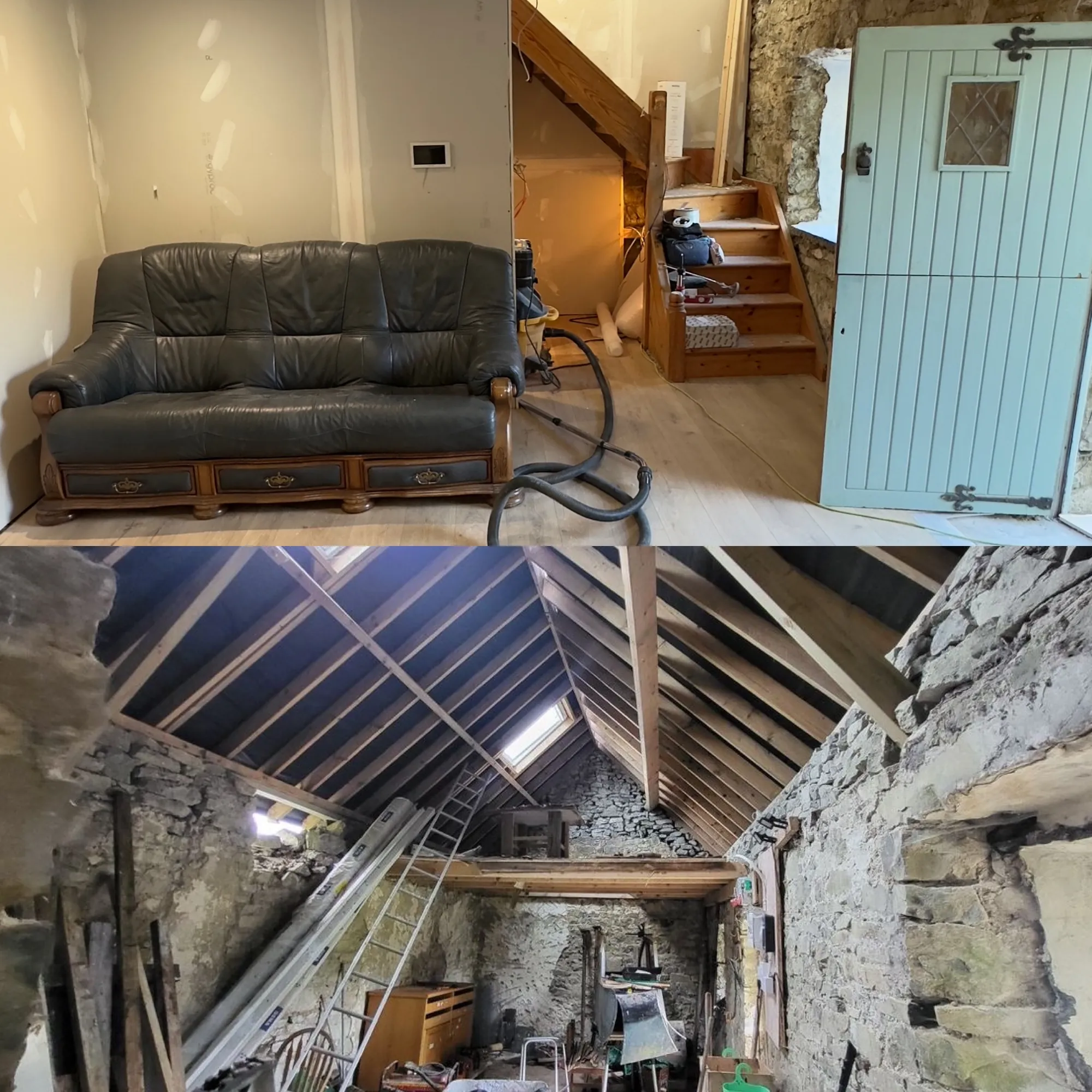
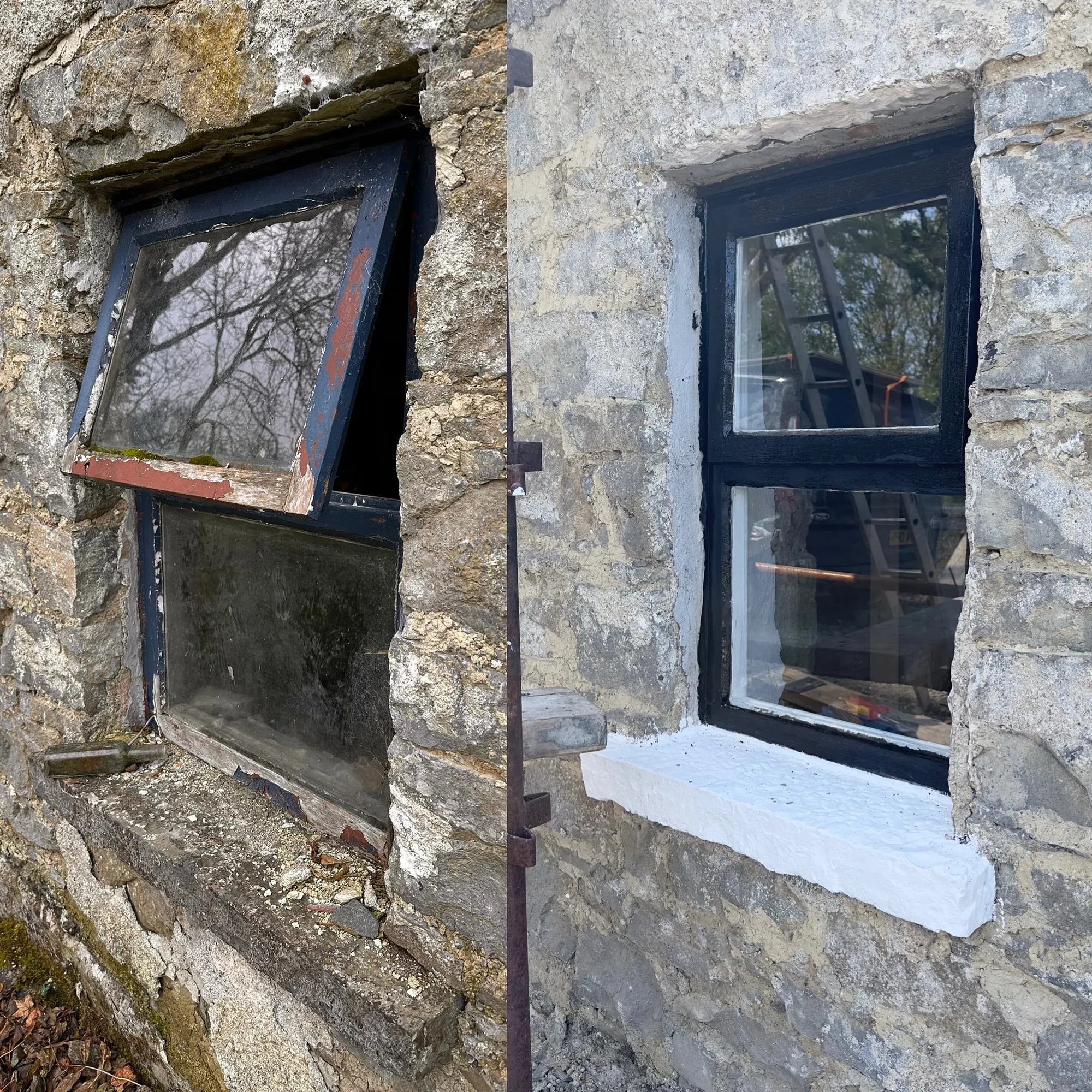
Ivy Cottage is the derelict stone cottage in Roscommon that Kieran McGuire, our founder, bought as a personal project and brought back as a home. It is on its own water supply with its own septic tank. He posts the renovation on Instagram as @myhomestead.ie, and the photos below are his own.
The water story is the one he tells on our rural automation page. The pump at the cottage, it turned out, was not just supplying the house: it was servicing three separate farms as well. His answer was to put the supply under the same Crestron system that runs the lighting, heating, audio, CCTV and alarm: remote pump control, shut off valves, water usage metering, a camera on the pump and leak detection, with the septic tank automated too. With metering on the supply, a pump that runs when nobody in the house has turned a tap is no longer a mystery.
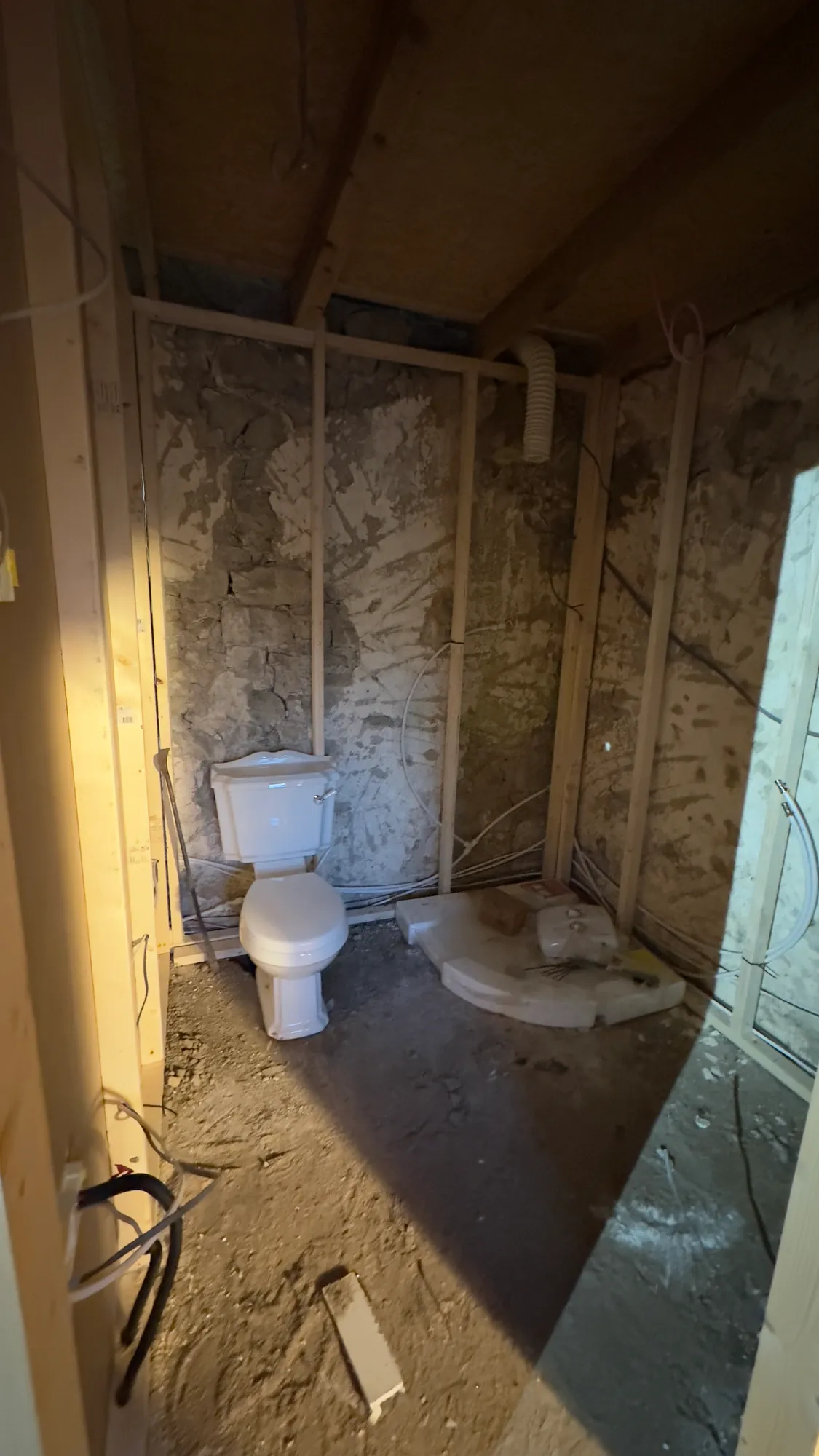
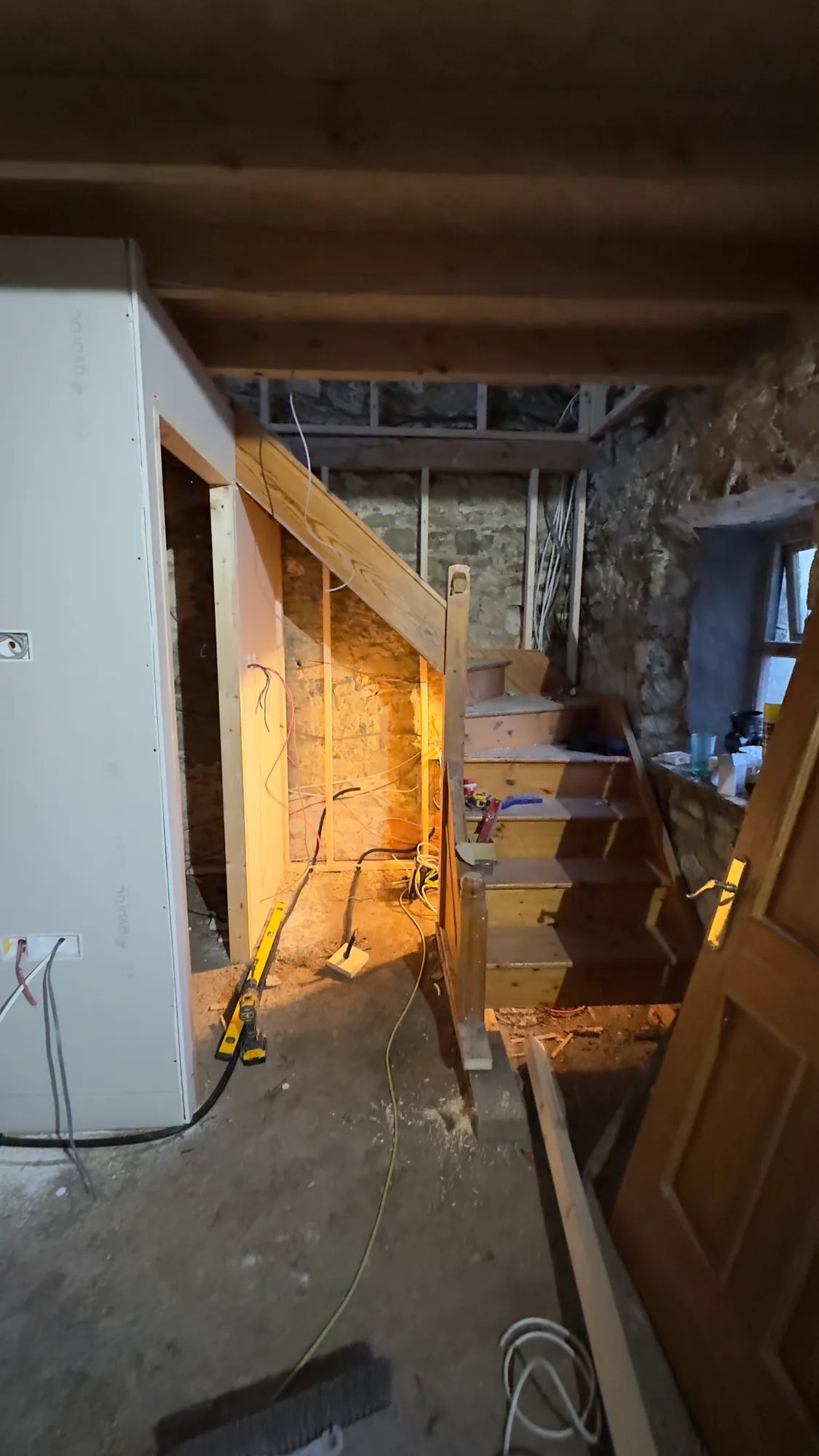
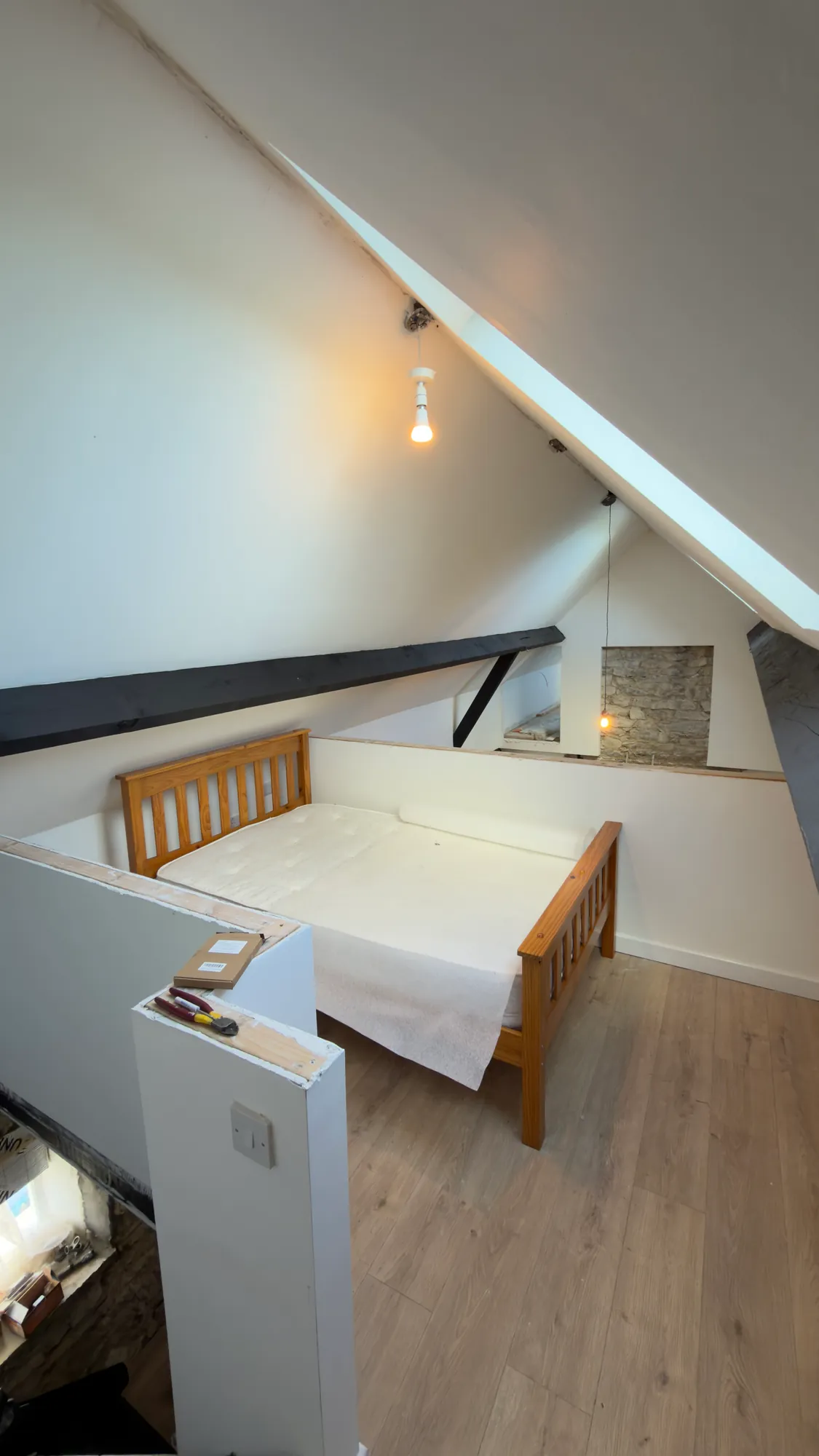
One honest note, as in the other grant guides: Kieran did not claim a grant on Ivy Cottage. He paid for the work from his savings and tracked every euro in the spreadsheet that became the free tracker.
Water on a rural property: what to plan while the walls are open
A well grant pays for the well. It does not tell you when the pump has failed on a Tuesday while you are at a desk in Dublin, which is the problem that matters most to someone splitting the week between the city and the country. Three things are cheap at first fix and dear afterwards: a power feed and a data cable to wherever the pump and the treatment unit will live, a cable route from the well head to the house for a flow meter and a camera, and a leak sensor beside the tank and under the kitchen sink. Our rural property automation page explains how pump control, flow metering, tank levels and power monitoring come together on one screen, and our guide to what to wire at first fix covers the rest of the house.
The same system can run the heating and the lights; our Crestron and Crestron installer Dublin pages describe what that looks like in a small house, and smart home cost in Ireland gives honest numbers. Every job starts with a survey and a design, as set out on our process page, and the EPA's advice to test a private well at least once a year belongs in any plan.
Questions we are often asked
How much is the private well grant in 2026?
85% of the approved cost of a new well up to €5,000, 85% of rehabilitating an existing well up to €3,000, and 100% of treatment works up to €1,000. Rehabilitation and a new well cannot both be claimed, and works under €750 in total are not eligible.
Can I get the private well grant on a vacant cottage I am about to buy?
The regulations require the applicant to occupy the house as their normal residence, and no work may start before the council's written approval. Ask the rural water section how they want the application timed, and do not replace the pump or drill before the pre works visit.
Does the grant cover the pump?
Yes, as part of the supply. The standard terms list pump houses, piping and the mechanical and electrical equipment connected to the supply as qualifying works. Plumbing inside the house, water softeners and anything serving a farm or business are excluded.
Who tests the water?
An INAB accredited laboratory, and the laboratory takes the sample, not you. The council will not pay without a Certificate of Analysis, and for a new or deepened well the driller also certifies the quantity after a pumping test.
Can I hold the well grant and the Vacant Property Refurbishment Grant together?
Yes, provided no item is claimed from both. Put the well, the pump and the treatment under the well grant and the rest of the plumbing and services under the refurbishment grant, and keep the receipts apart from the first day.
Sources: Housing (Private Water Supply Financial Assistance) Regulations 2020, S.I. No. 192 of 2020; the well grant pages of localgov.ie and Roscommon County Council; South Dublin County Council on private wells; the EPA on household wells; and the Vacant Property Refurbishment Grant on gov.ie, all read on 24 October 2026.
If you are leaving Dublin for a cottage on its own well, or you want the pump, the heating and the lights of a rural house to look after themselves while you are away, we would be glad to help.
Book a consultation or call our Dublin office on 01 906 9326.
- Log in to post comments