Biamp says its Biamp Vocia system has delivered more than a decade of uninterrupted bells, paging and emergency voice evacuation at Cardijn College in Adelaide, in a case study released on 21 October 2026, and that the college's ICT Director hardly needs to maintain it. For a Cork school or campus whose bell and paging system is ageing, the case is a good prompt to ask what a replacement should be built to do for the next ten years, not just the next term.
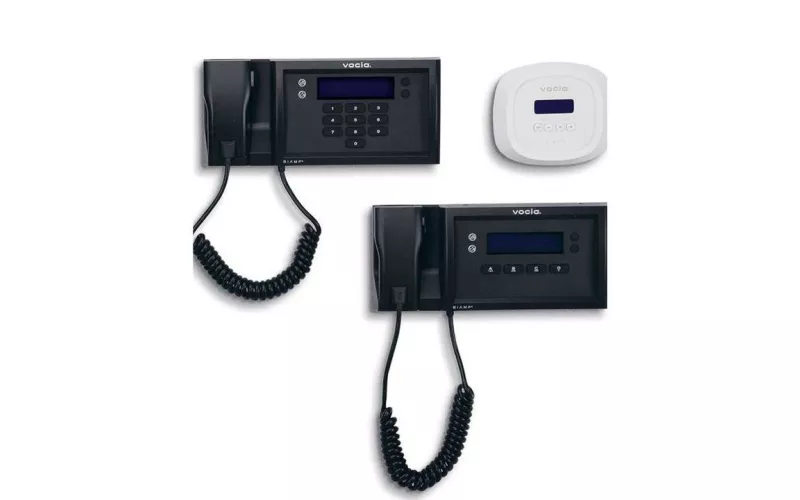
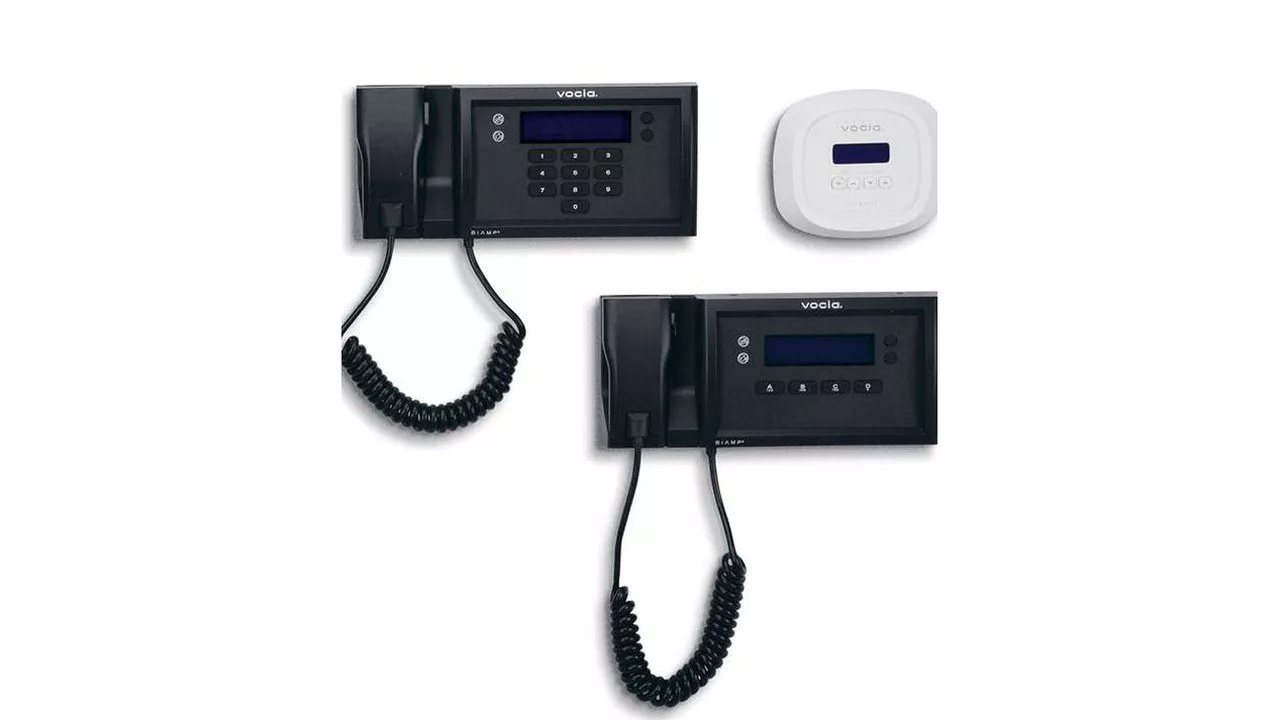
Product image: Biamp.
- Biamp released the Cardijn College case study on 21 October 2026, from Beaverton, Oregon.
- Vocia handles automated scheduled bells, zoned paging and emergency voice evacuation at the college.
- Biamp says the system recovered without intervention after power outages of six to eight hours.
- Biamp describes Vocia as EN 54 certified, and says its voice alarm control and indicating equipment is EN 54-16 certified.
- Biamp says Vocia uses distributed networking, with intelligence in each local device and no single point of failure.
What Biamp reports from Cardijn College
Cardijn College is a multi campus Catholic college in Adelaide, South Australia. Biamp's release says its Vocia system has worked for more than ten years with a core processor at each campus, DS-10 paging stations in the administration areas, and Voltera amplifiers with Desono ceiling speakers in one large building on the Marian campus.
The quote that stands out comes from ICT Director Tony Sayce, as given in Biamp's case study: "The same devices I put in 10 or 12 years ago are still running now." In a sector where budgets are tight and the person looking after the network often looks after everything else too, a system that runs for a decade without attention is worth a lot.
No installer is named by Biamp, and 1Install did not work on the project. We cover it because it gives a long term view of a paging and evacuation system in daily school use.
How Biamp Vocia is designed to keep running
Biamp's voice evacuation page sets out the thinking behind Vocia. Rather than one central processor whose failure would silence the whole site, Vocia puts processing in each local device, so that one failed unit does not take everything down. Biamp also says many Vocia devices have redundancy built in, and that internal monitoring reports a failure straight away so it can be put right.
Cardijn College adds a site level version of the same idea: each campus has its own core, so each one keeps running if the internet connection drops. Those two layers, inside the system and between sites, help explain a ten year record.
Biamp Vocia and voice evacuation in a school
Biamp says it was the first US manufacturer to earn EN 54-16 certification, the European standard for voice alarm control and indicating equipment, and that it built Vocia from the ground up to meet the requirements for voice alarm control and indicating equipment. Biamp's school paging and evacuation design template on its Cornerstone support site shows how the parts fit together in a school:
- A life safety interface that links the paging system to the fire panel, which Biamp says is tailored to the requirements of EN 54-16.
- An emergency wall station near the fire panel, whose announcements take priority over anything else playing.
- Pre-recorded evacuation messages for each building, each with an alarm tone and directions to the meeting point.
- Line monitoring devices on the speaker circuits, so a broken line shows up as a fault rather than silence on the day.
- A message processor that also runs the bell schedule.
The same Biamp design template is clear that local standards may apply and that its example must be validated by the relevant authorities. In a Cork school, an evacuation function belongs inside the building's fire safety design, agreed with whoever is responsible for that design, and not added as an afterthought.
Signs your school's paging is due for a rethink
Many schools in Cork have paging and bells that grew over the years: an older amplifier in a cupboard, a bell timer nobody quite understands, speakers added when a prefab became a permanent classroom. These are common signs:
- Some areas cannot hear announcements, often the yard, the sports hall or a newer block.
- The bell schedule is hard to change, so holiday and exam timetables are handled by hand.
- Nobody knows if a speaker line has failed until someone notices a quiet room.
- Every announcement goes everywhere, because the system has one zone or a few by building.
- Spare parts are hard to find for the amplifier or the microphone.
Any one of these is a reason to plan a replacement around zones, monitoring and growth, rather than swapping like for like.
What to ask before you buy
Ask how the system will behave after a power cut, what happens to each building if the network between them fails, how a new building would be added, who can change the bell schedule and how, and whether the speaker lines are monitored. Cardijn's record shows why these questions matter.
For more Biamp projects from Biamp's own releases, see our posts on Biamp voice reinforcement across Emory's campuses and the simplified Biamp LVH-900 range. You can also read about education AV, try our commercial quote builder or see how a project runs.
1Install designs, supplies and installs meeting rooms, Teams Rooms and audio visual systems for offices, schools and colleges in Cork.
Questions we are often asked
Is Biamp Vocia certified to EN 54-16?
Yes, for its voice alarm equipment. Biamp says Vocia's voice alarm control and indicating equipment is EN 54-16 certified, and that it was the first US manufacturer to earn that certification.
How long can a Biamp Vocia system last?
At Cardijn College it has run for more than ten years, and the ICT Director says devices installed 10 or 12 years ago are still running.
What happens to Biamp Vocia if one device fails?
Biamp says Vocia has no single point of failure, because intelligence sits in each local device, and that internal monitoring reports a failure straight away.
Can the same system run school bells and evacuation messages?
Yes. Cardijn College uses Vocia for scheduled bells, zoned paging and emergency voice evacuation, although an evacuation function has to be designed within the building's fire safety plan.
Does Biamp Vocia need much maintenance?
Not at Cardijn College. Biamp says the system has run with minimal maintenance or intervention for more than a decade, though any life safety system still needs regular testing.
Book a consultation or call our Cork office on 021 202 8107.
- Log in to post comments